
Too Cold to Play Outside? Bring Winter Fun Indoors
Read the full story for "Too Cold to Play Outside? Bring Winter Fun Indoors"

QuickStart Quick Tips!
As a caregiver, you play an important role in supporting others. With so much to manage day-to-day, it can be easy for your own needs to take a back seat.
Self-care isn’t selfish – it’s an important part of maintaining your own wellbeing. Even small moments of rest, movement, or connection can make a meaningful difference.
Address Your Needs: Many caregivers feel guilty when they take time for themselves. The reality is that caring for yourself is an important part of caring for your child. Your needs matter, too.
Make Time for You: Self-care doesn’t have to mean a full day off or an expensive getaway. Even a few minutes each day can help you recharge. Whether it’s enjoying a cup of coffee in silence, reading a book, or stepping outside for fresh air, small moments add up.
Move Your Body: Physical activity can help improve mood, reduce stress, and increase energy levels. Find movement that works for you and your schedule.
Some ideas include: Dancing, gardening, or other activities you enjoy, walking or other forms of cardio, strength training a few times each week, stretching, yoga, or Pilates.
Be Kind to Yourself: You are doing your best in a role that can be both rewarding and challenging. Try speaking to yourself with the same kindness and understanding you would offer a friend. Some days will be easier than others, and that’s okay.
Celebrate Small Wins: Progress isn’t always measured by big milestones. Sometimes success looks like making it through a difficult day, trying something new, or taking a few minutes to care for yourself. Those moments matter.
Embrace Imperfection: There is no such thing as a perfect caregiver. Challenging days are a normal part of life. Rather than focusing on what didn’t go as planned, try to recognize your strengths and the many ways you support your child every day.
Stay Positive & Supported: Lean on your community. You don’t have to do everything alone. Reach out to friends, family, support groups, or community organizations when you need encouragement or connection. Building a support network can help reduce isolation and remind you that others understand what you’re experiencing.
Read the full story for "Too Cold to Play Outside? Bring Winter Fun Indoors"

Read the full story for "Supporting Connection & Learning Through Colouring"

Read the full story for "Reading Together: Building Communication Through Shared Stories"

Read the full story for "Little Gestures, Big Communication!"

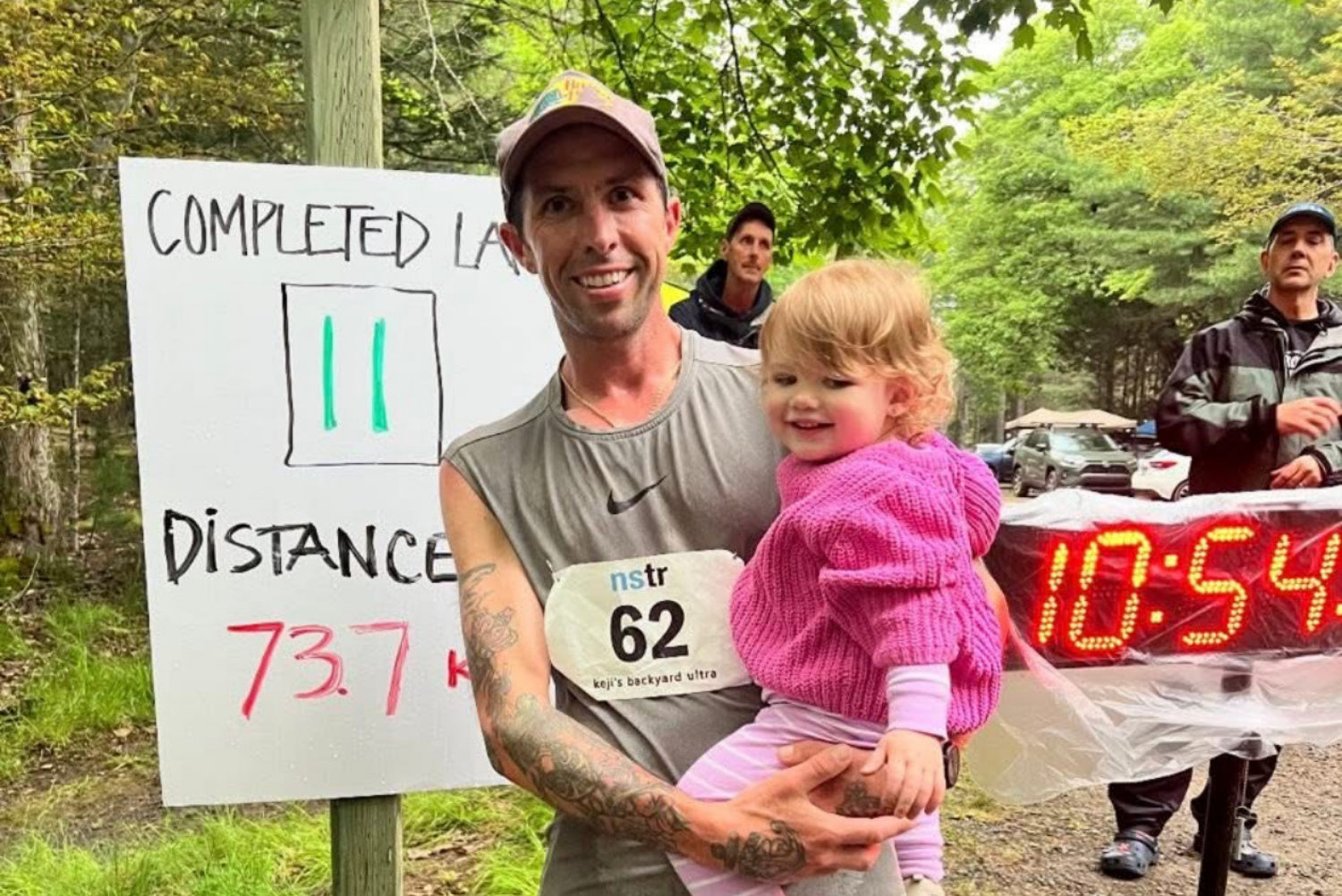
Read the full story for "When Passion Meets Purpose: Landon’s Tip-to-Tip Run"

Read the full story for "Outdoor Play: Simple, Low-Prep Activities"
Read the full story for "Holiday Wellness Tips from Pinwheel Wellness Centre"

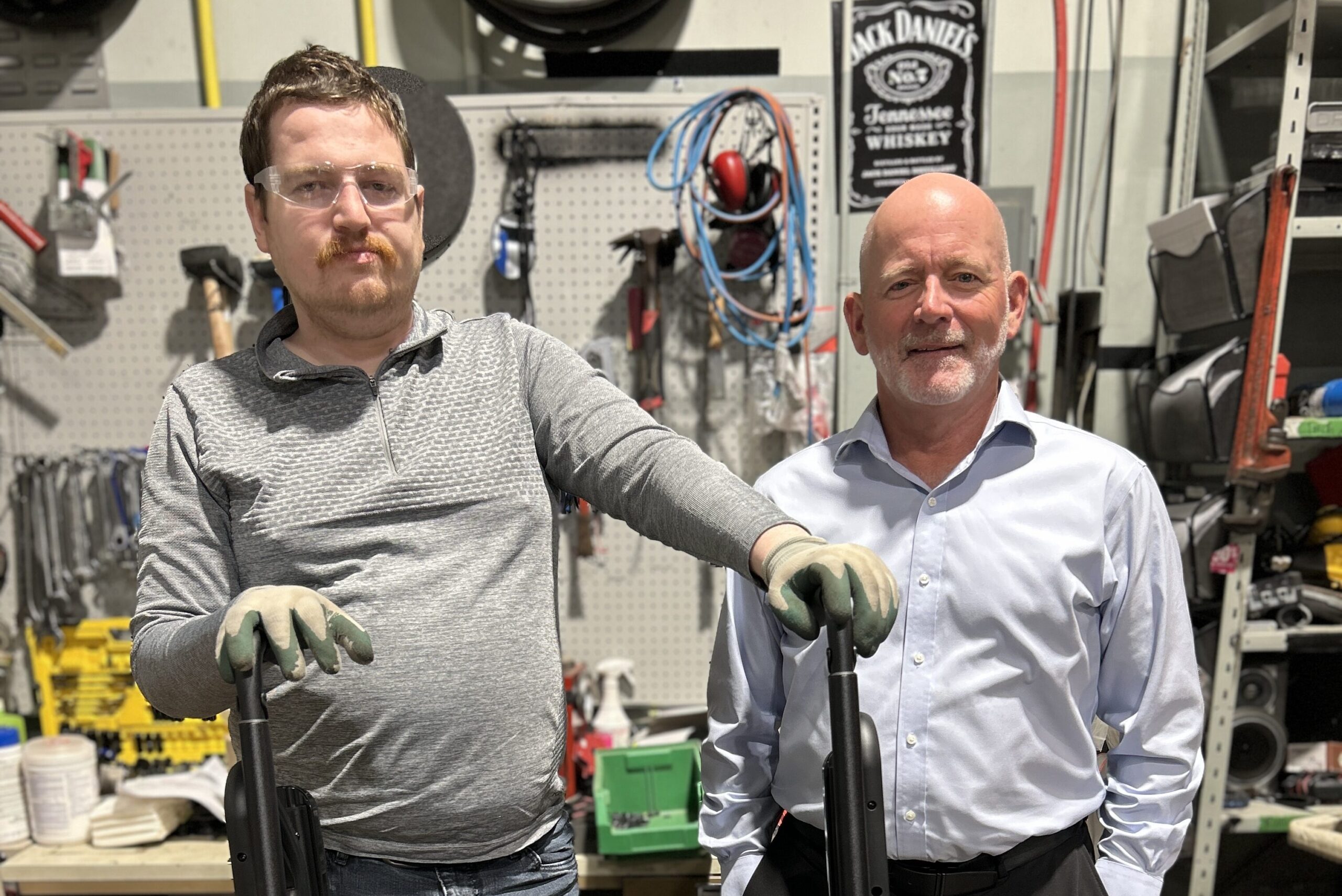


Read the full story for "Sensory Friendly Pumpkin Carving Ideas for Toddlers"


Read the full story for "Economic Inclusion: Disability Awareness Month Events"

Read the full story for "Honouring Mi’kmaq History Month: The Power of Storytelling"

Read the full story for "Standing with Autistic People, Today & Every Day"

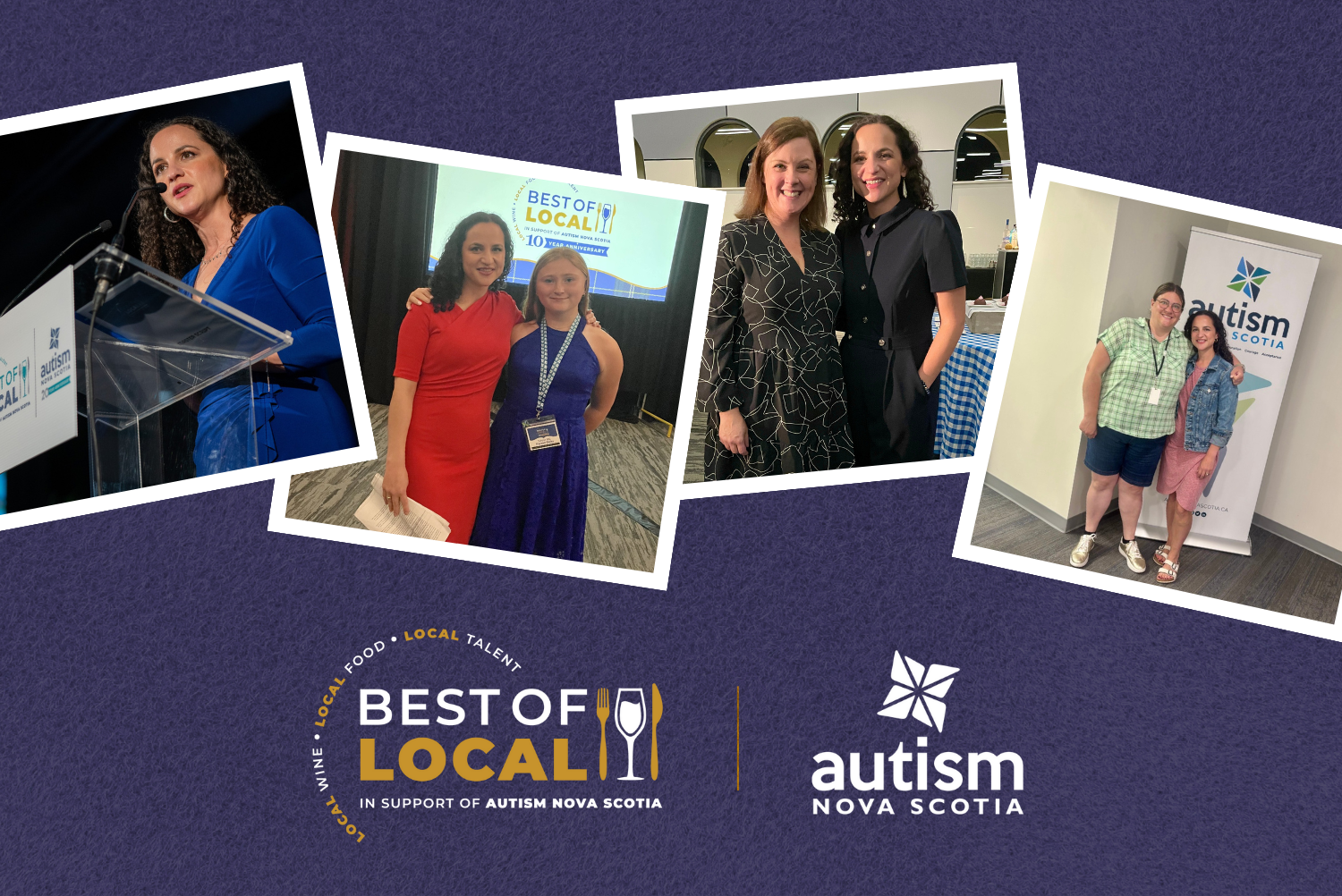
Read the full story for "Amanda Debison: Host of Best of Local 2025"
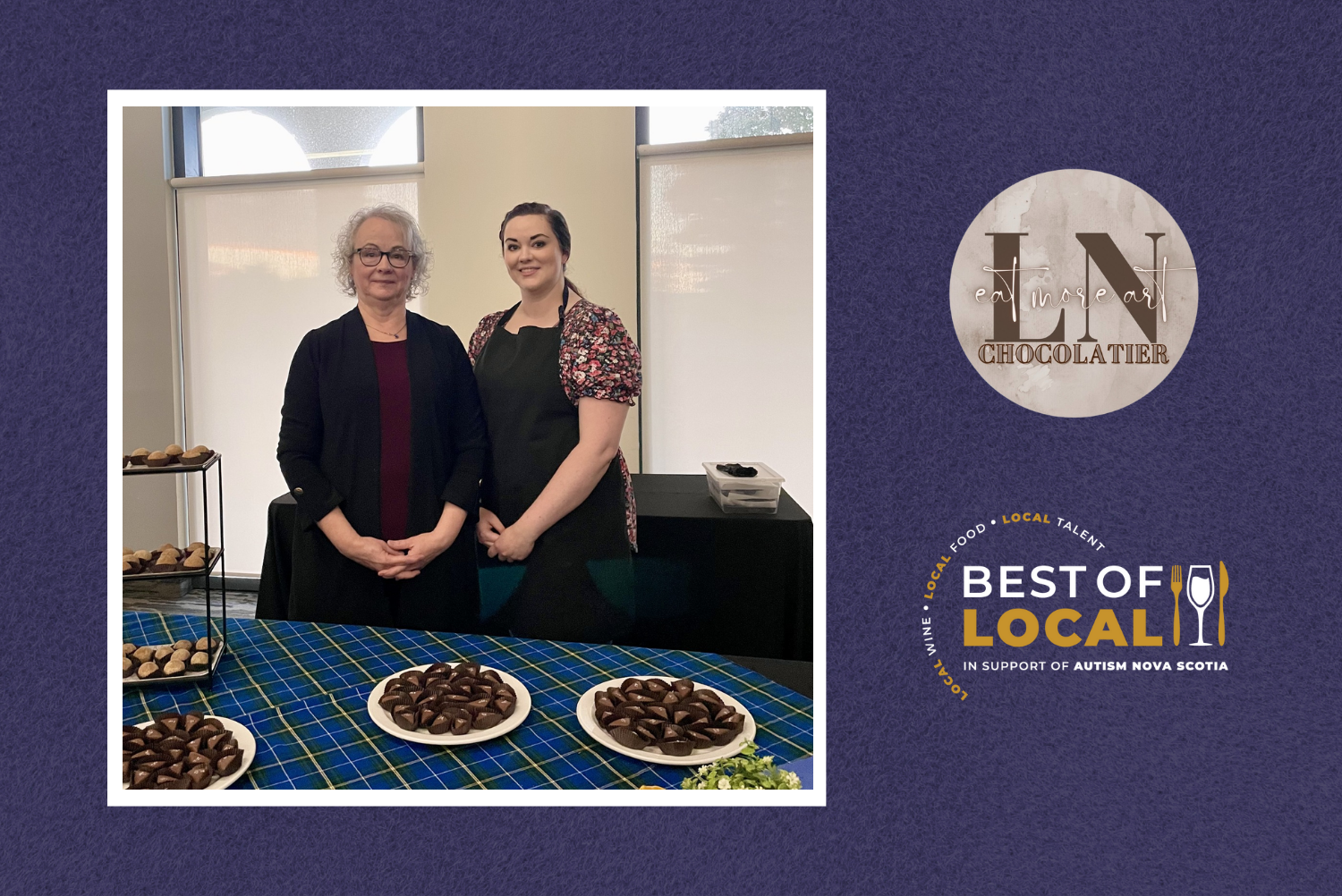
Read the full story for "The Sweet Story Behind LN – Eat More Art"


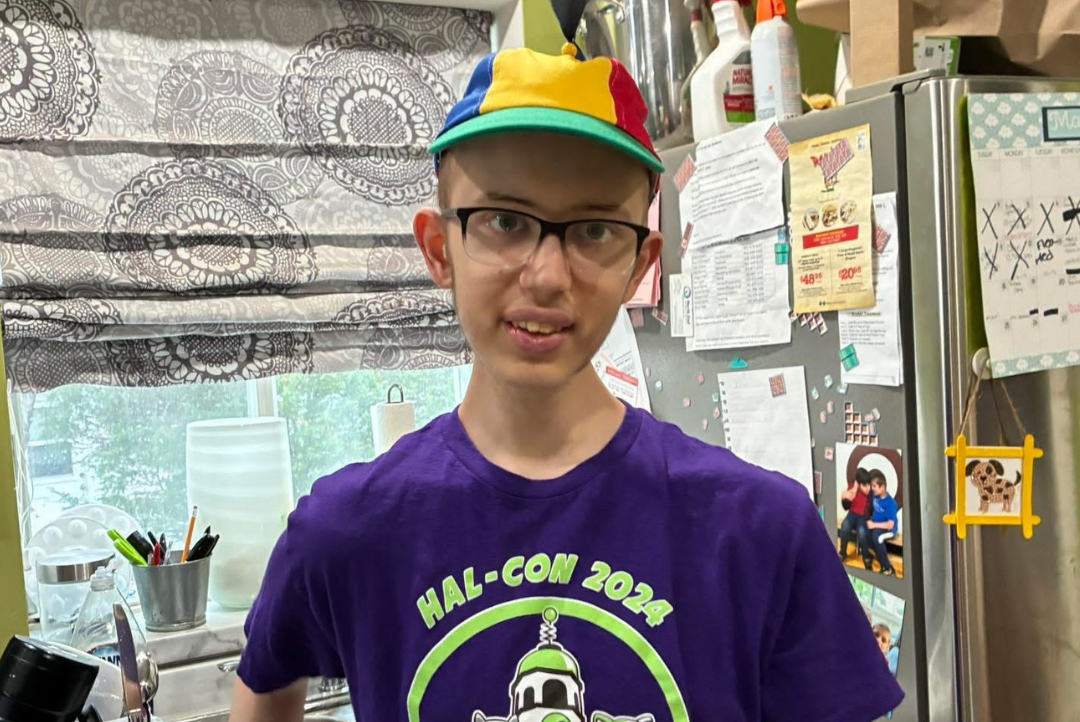



Read the full story for "Allison Kearley, Recipient of the 2025 Joan Craig Trailblazer Award"

Read the full story for "Exploring Textures with Messy Play"

Read the full story for "Response to Nova Scotia Provincial School Code of Conduct "
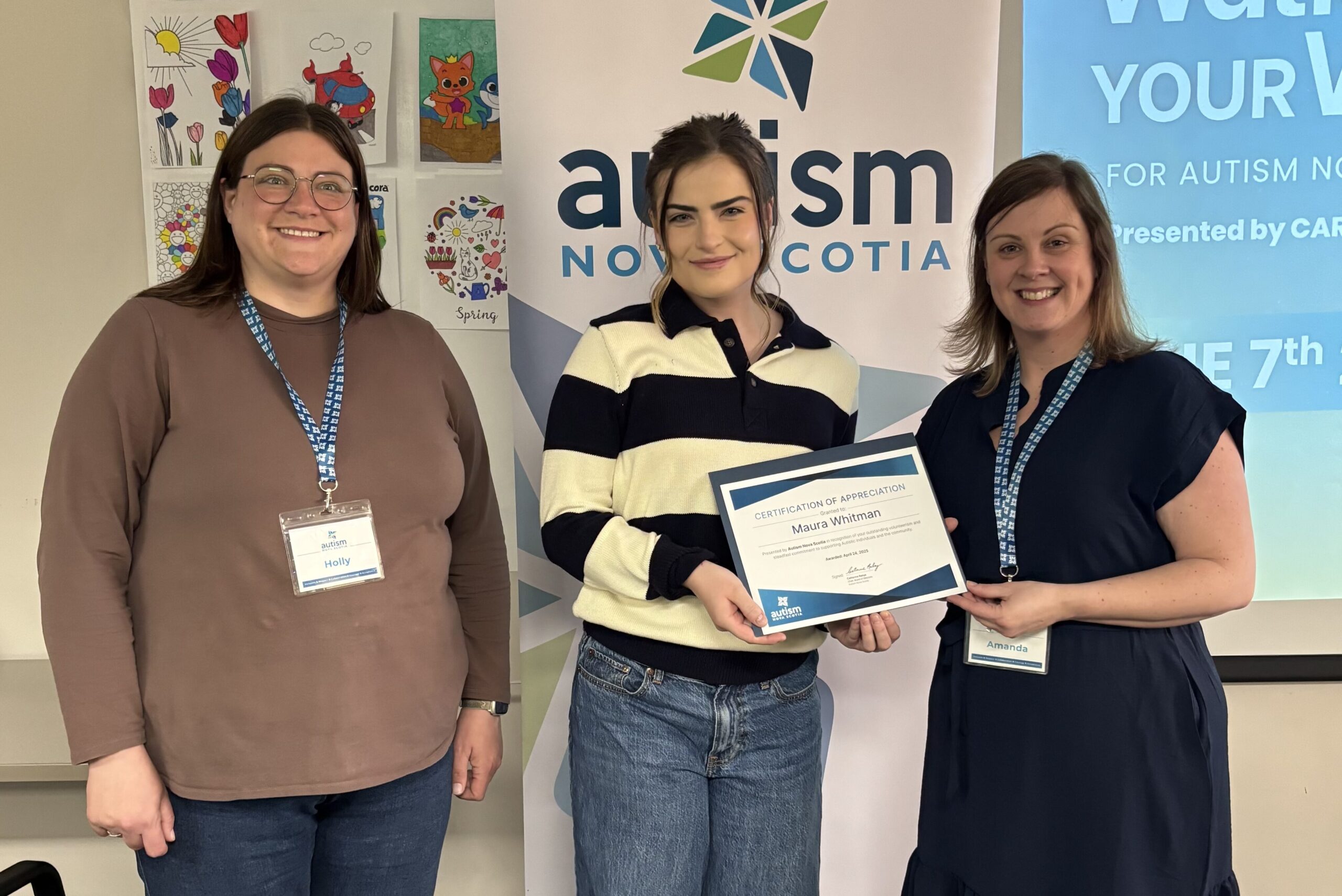

Read the full story for "‘It’s a movement’: Flag Raising Ceremonies Across Nova Scotia "

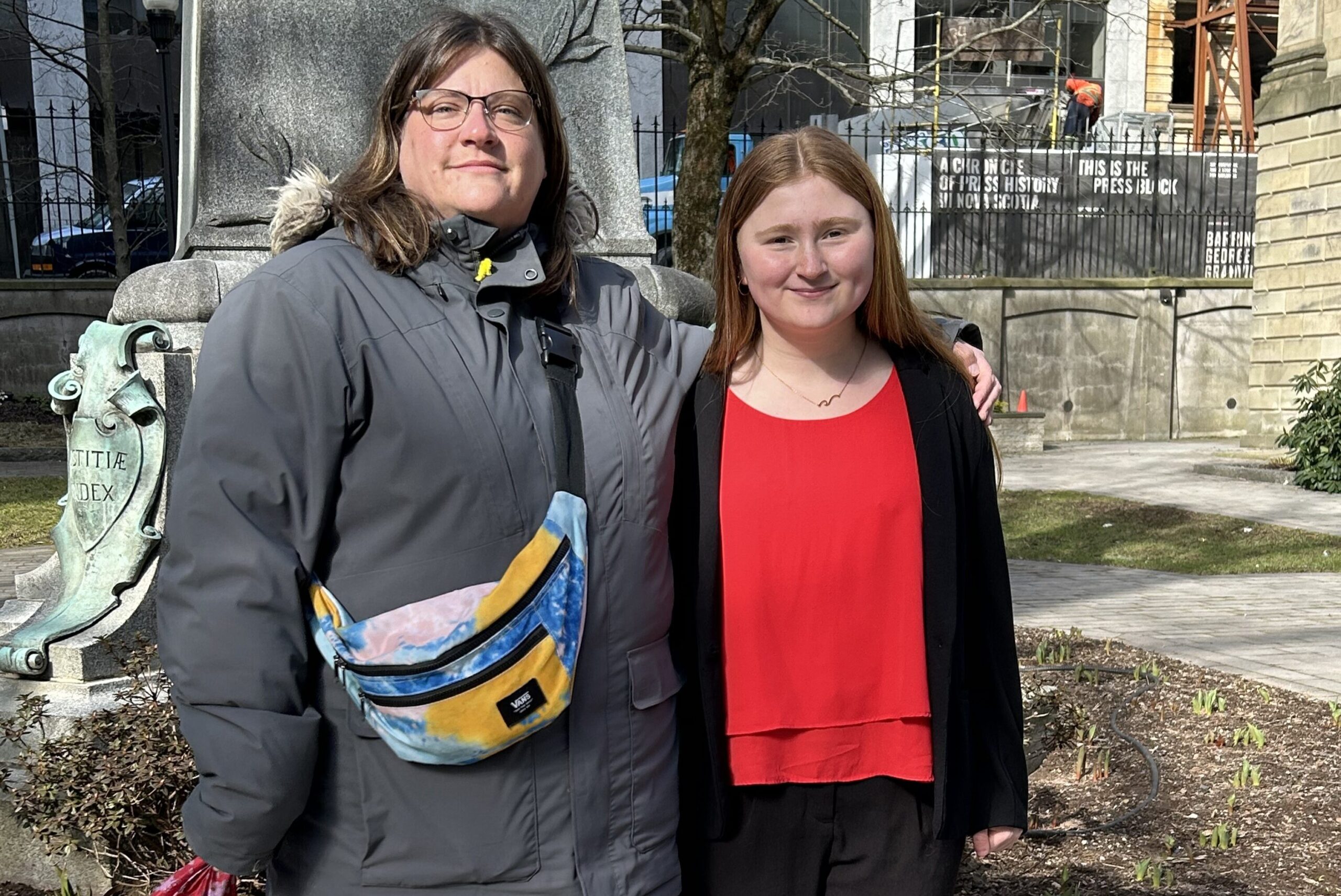
Read the full story for "Celebrating Autism Acceptance Month "

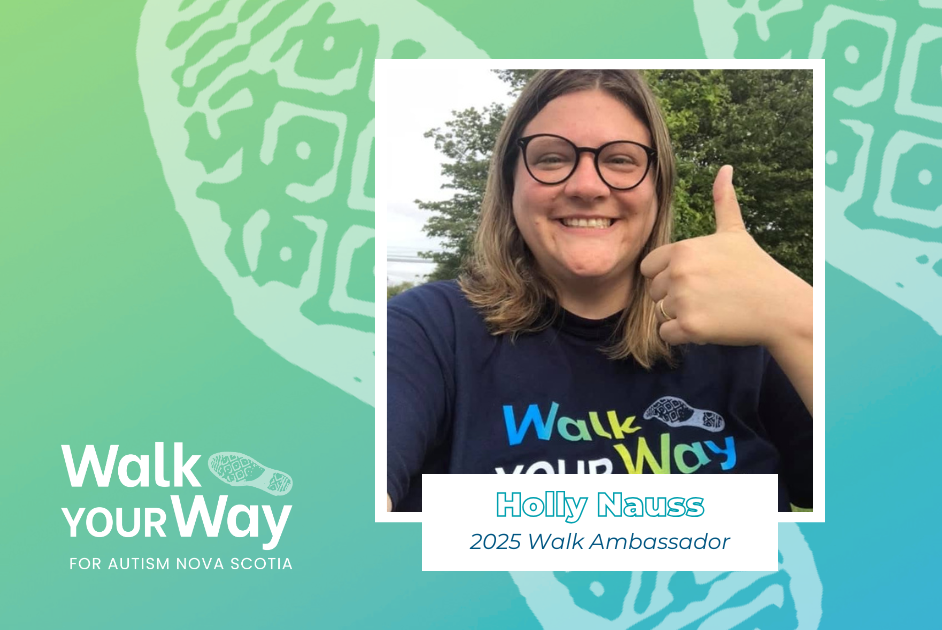
Read the full story for "2025 Walk Ambassador, Holly Nauss "

Read the full story for "Pictou’s Late Discovered Peer Support Group Success "




Read the full story for "Consent Focus Group Leads to Rich Discussion "

Read the full story for "Cynthia Carroll Inclusion Scholarship "

Read the full story for "Helpful Strategies for Mealtime Routines"


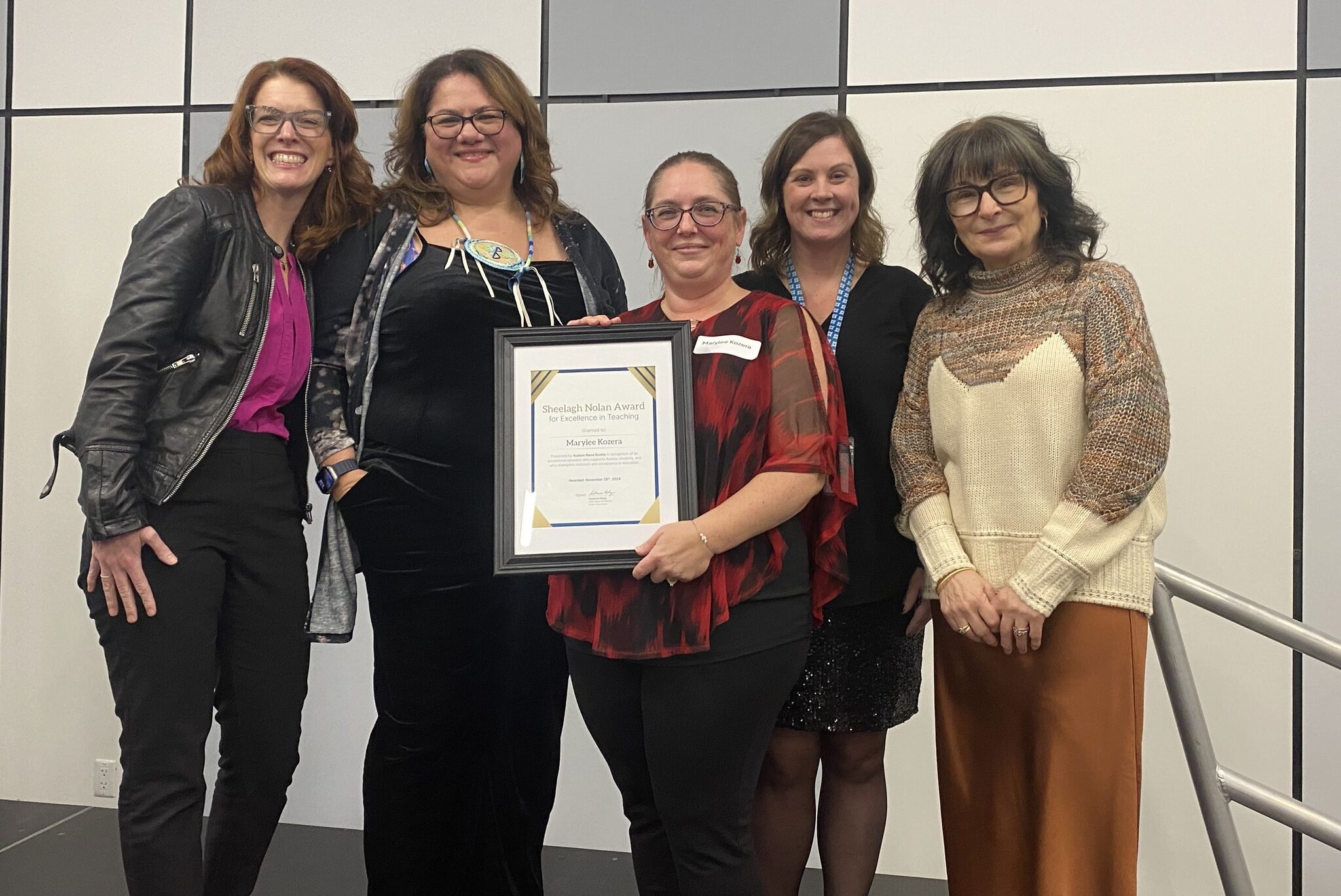
Read the full story for "2024 Holiday Open House Brings Community Together to Celebrate"



Read the full story for "Autism Action Plan Community Consultations"


Read the full story for "National Autism Framework Announcement"

Read the full story for "Making Words Fun: Learning through play"


Read the full story for "Supporting the post-secondary experience "


Read the full story for "Introducing the Best of Local Culinary Talents"


Read the full story for "Provincial Autism Action Plan Community Advisory Committee"


Read the full story for "Charli’s Insights on the Healthy Relationships, Sexuality, and Autism"
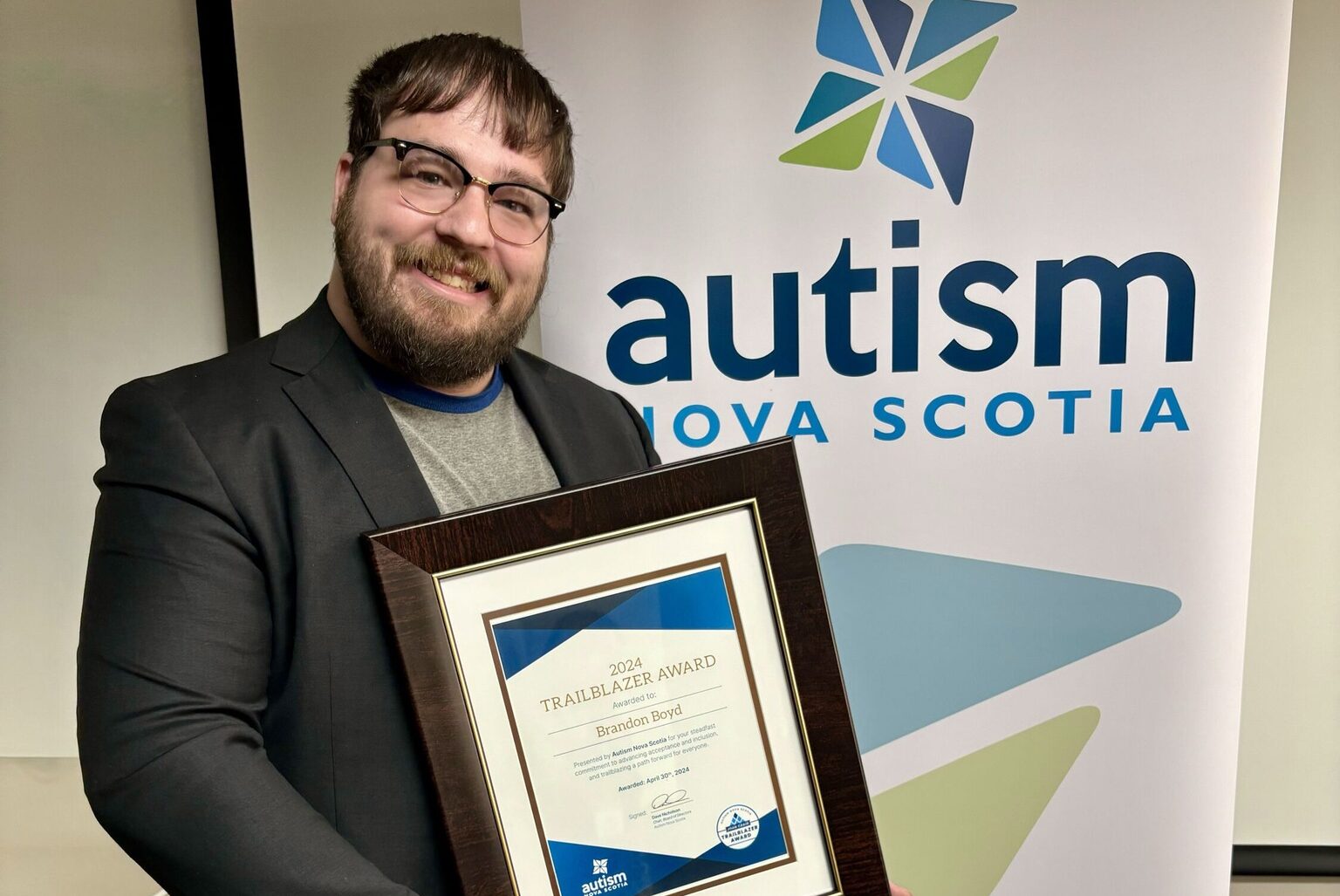
Read the full story for "Brandon Boyd Recipient of 2024 Joan Craig Trailblazer Award"

Read the full story for "Quick Tips for Creating Safe Child and Pet Interactions"
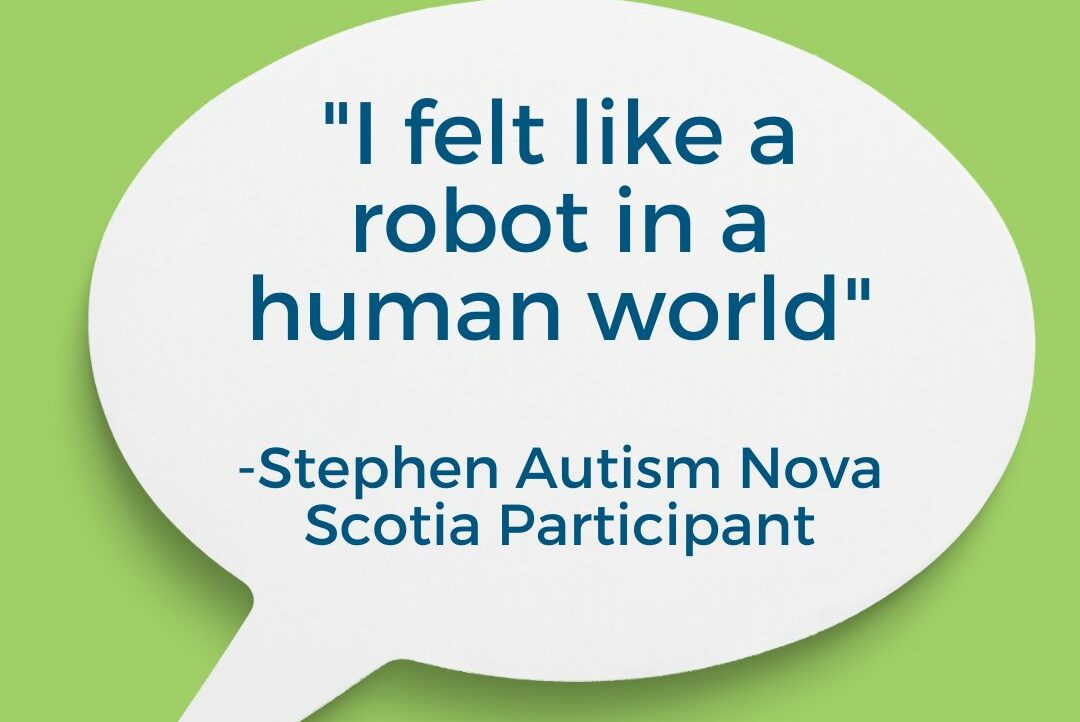
Read the full story for "Stephen’s Story about Embracing Autism"




Read the full story for "Celebrating International Women’s Day: Women’s Autism/Autistic Project"

Read the full story for "Understanding Coaching in the QuickStart Nova Scotia Program"

Read the full story for "Talking about Healthy Relationships"
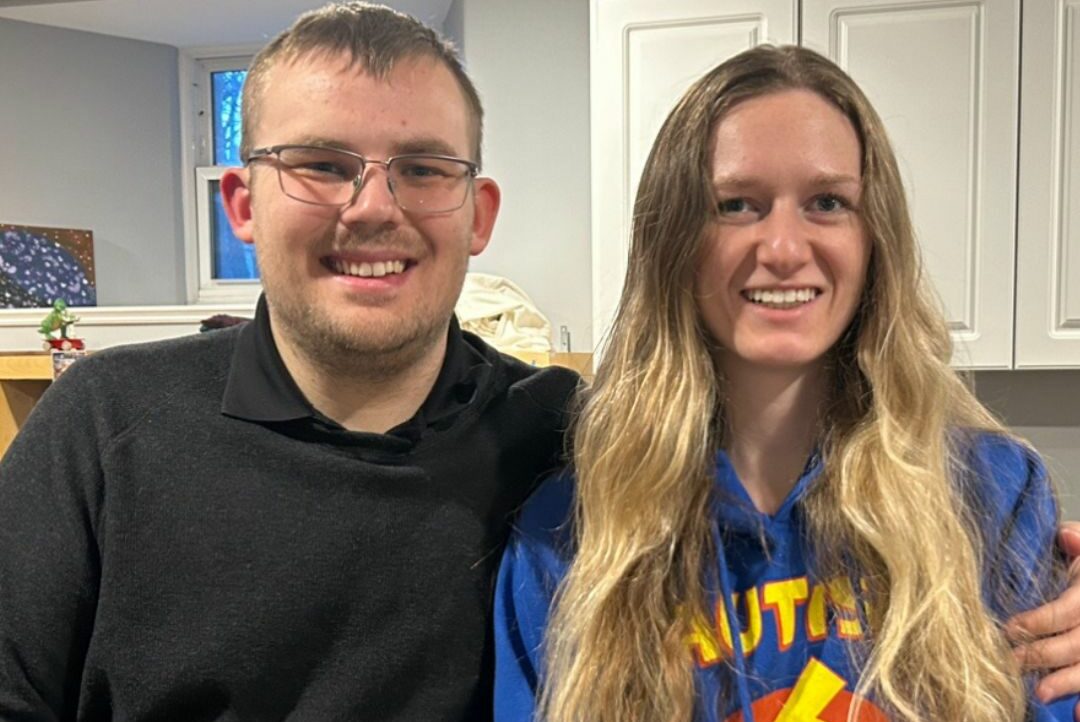
Read the full story for "Shared Interests to Shared Hearts: A Journey of Friendship and Love"

Read the full story for "Sensory Bin Ideas for Play Routines"

Read the full story for "Tips for Mealtimes with Your Child"

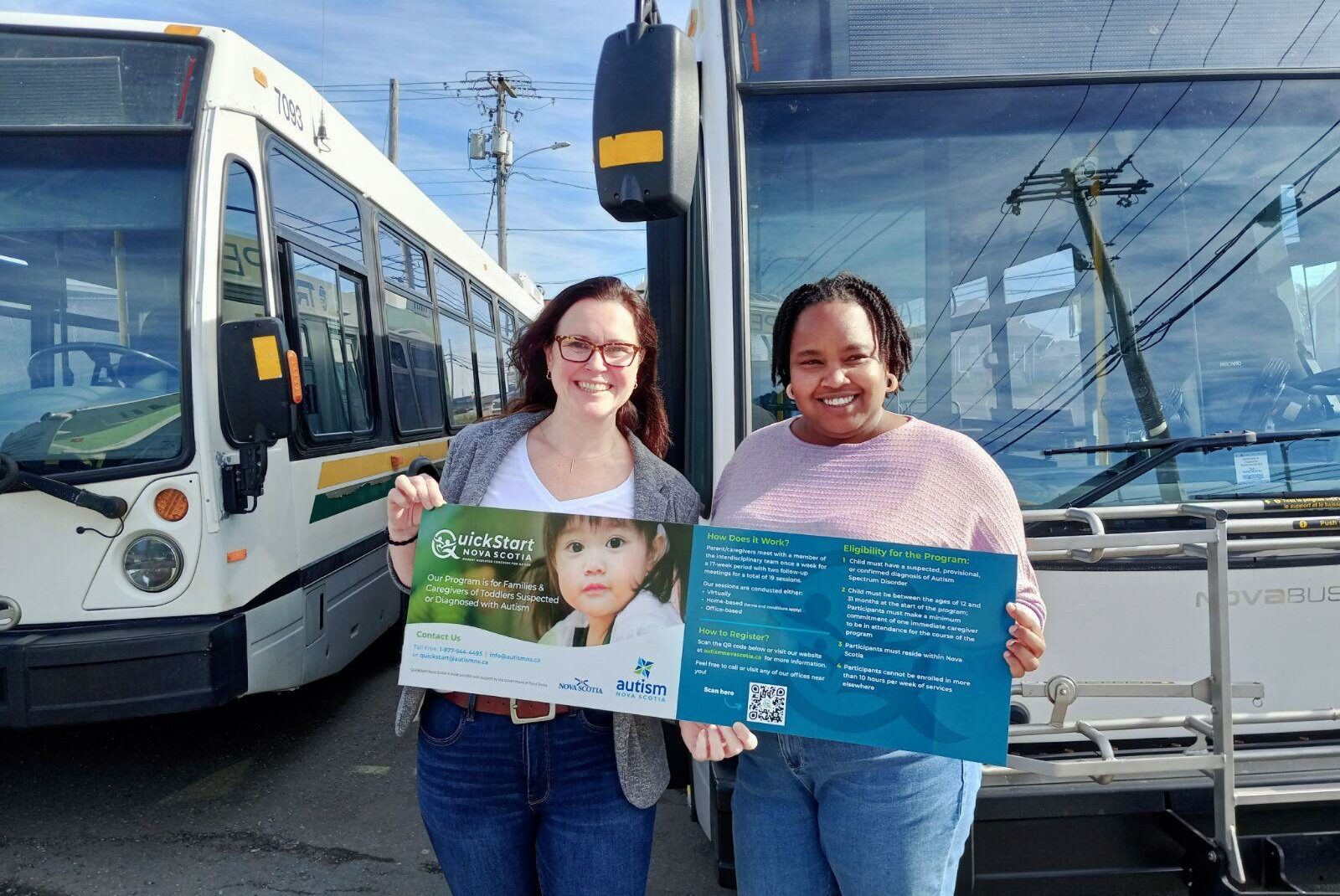

Read the full story for "Celebrating Brandon Boyd: A Trailblazing Filmmaker with Autism"

Read the full story for "5 tips for Post-Secondary Students"





Read the full story for "Ideas for Outdoor Play in the Spring"

Read the full story for "4 Tips for Post-Secondary Students"



Read the full story for "Autism Acceptance Month Flag Raising"



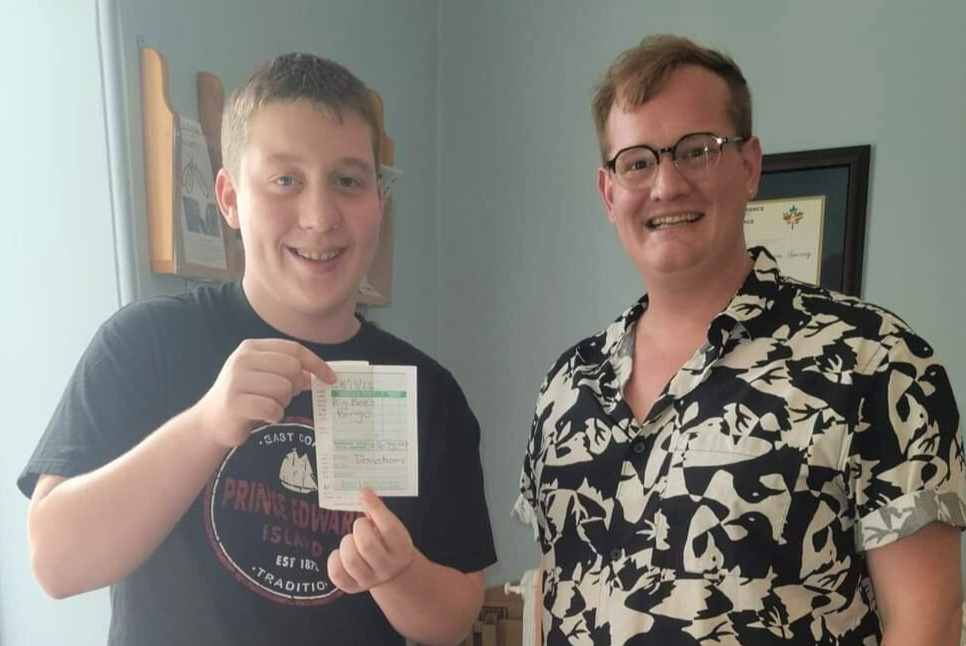
Read the full story for "Father Raises Funds for Walk YOUR Way "


Read the full story for "Ideas for Outdoor Play in the Winter"
Read the full story for "4 Routine Tips after the Holiday Season"

Read the full story for "2022 Sheelagh Nolan Award Recipient"

Read the full story for "Creating an Inclusive Space for Trick or Treaters"

Read the full story for "6 Quick Tips for Trick or Treating"

Read the full story for "Five Tips for Post-Secondary Students "
Read the full story for "Pinwheel Wellness Centre – Mental Health Support"