
Too Cold to Play Outside? Bring Winter Fun Indoors
Read the full story for "Too Cold to Play Outside? Bring Winter Fun Indoors"

Written By: Michelle Wood, Individualized Employment Facilitator – Autism Nova Scotia
Job searching can be tiring and is much like a job in itself, but without the pay cheque. Even though finding a job can feel like a huge undertaking, there are ways to break the process down into smaller steps that feel more manageable.
Breaking things down into smaller steps may look different for everyone, and that’s okay! The goal is to make the process feel less overwhelming so that a person doesn’t burn themselves out before finding a job. To help with this, I’m going to outline some examples of how people at different stages of their job searches can break the process down into smaller, more manageable steps.
A good starting point is to ask, “What am I looking for, and why?” One person might be looking for their first job and want to gain experience to add to their resume. Someone else may already be working in a particular career and be looking for a change to find something that better suits their life. Whatever the reason, it’s valid and should be considered throughout the job search process.
Let’s say someone is creating a resume for the first time. How do they know where to start? Have they seen a resume before, or are they familiar with what is expected in a particular career?
In this case, a first step could be to find out what type of resume would be the best fit.
Skills-Based Resume – Focuses on your skills, strengths and abilities rather than your work history. This format can be helpful for people who are new to the workforce, changing careers or have limited work experience.
Chronological Resume – Highlights your work experience in reverse chronological order, starting with your most recent position. This format is often a good fit for people with several years of experience in the same field or a consistent work history.
Once they know what type of resume they are creating, they can focus on adding the information they already have.
A resume typically begins with contact information, including a person’s full name, city and province, email address, and phone number. The next section could be a brief objective explaining what they are looking for, followed by a summary of their relevant skills.
Other sections can highlight work experience, volunteer experience, and community involvement, depending on the person’s background. A resume could also include education and achievements, such as certificates or community awards.
One small step could be adding contact information, since this information is likely to stay the same across different resumes. Someone might also be unsure what to include in the skills section, especially if they haven’t worked before. In this case, their first small step could be looking up examples of how to list skills when they have no previous work experience.
Another helpful step could be learning about transferable skills. These are skills developed through life experiences that can be applied in different situations. Looking at examples of transferable skills can help someone recognize skills they already have.
Examples of Transferable Skills
I also want to acknowledge that some people may need to find a job as soon as possible. Given the current economic situation, this is likely a reality for many. For those in this situation, reaching out for additional support may be helpful.
Even if someone needs to take a position to help pay the bills, they can still use the approach of breaking the process down into smaller steps. They might need to wait until a day off to work on their job search, or they could try to complete one or two steps each day after finishing work.
Breaking the process down into small steps might make it feel like finding a job will take a long time. However, dedicating time to one small task can make the process feel more manageable and achievable. A person might be able to complete several small steps each day, while someone else might need a little longer, and that’s okay. Every small step adds up and can make a big impact.
You don’t have to navigate the job search process alone. Autism Nova Scotia’s Economic Inclusion team offers support to help Autistic individuals explore employment opportunities, build job search skills, and work toward their employment goals.
Visit our Economic Inclusion webpage to learn more about our programs and services.
Read the full story for "Too Cold to Play Outside? Bring Winter Fun Indoors"

Read the full story for "Supporting Connection & Learning Through Colouring"

Read the full story for "Designing Workplaces Where Everyone Can Thrive "

Read the full story for "Reading Together: Building Communication Through Shared Stories"

Read the full story for "Little Gestures, Big Communication!"

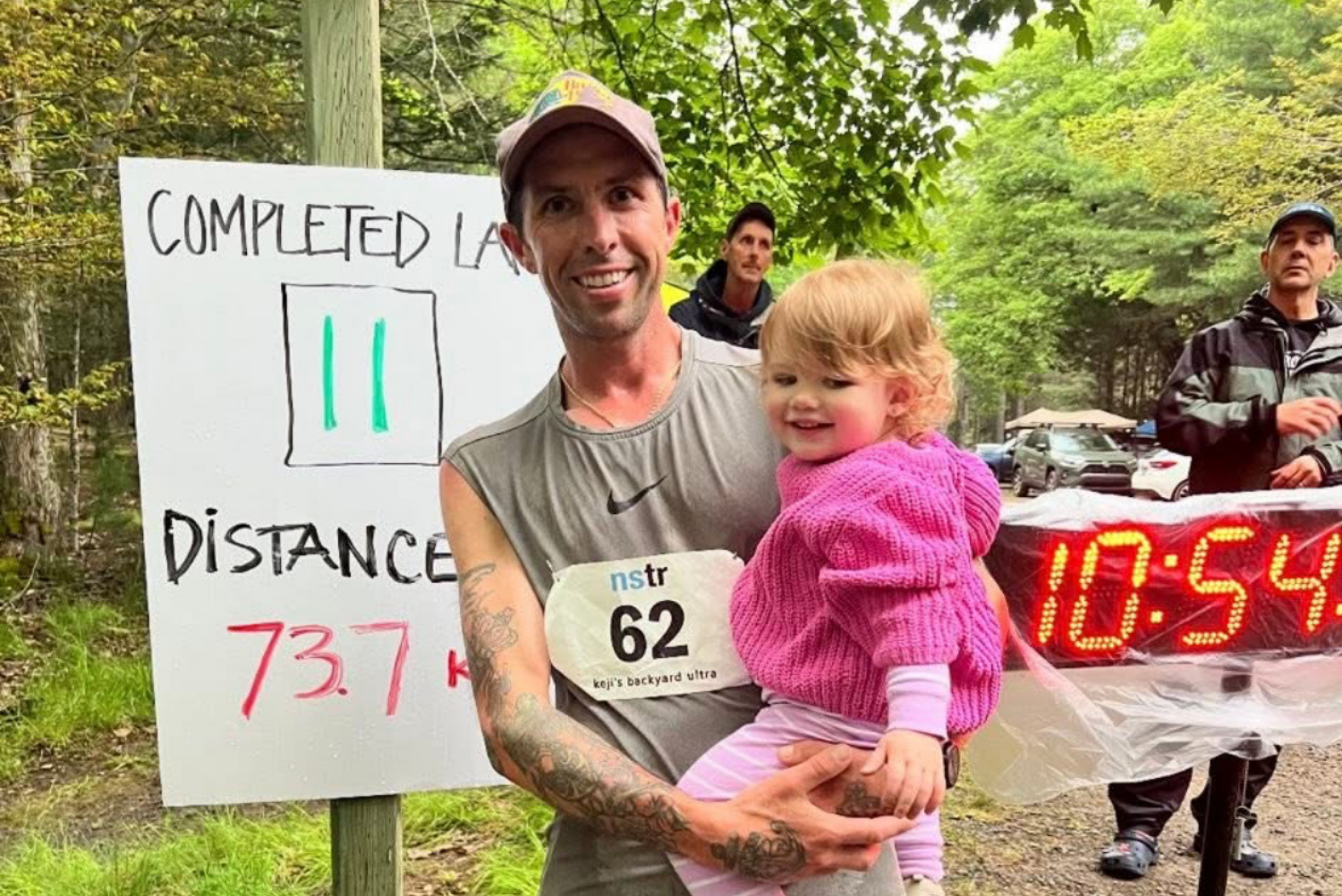
Read the full story for "When Passion Meets Purpose: Landon’s Tip-to-Tip Run"


Read the full story for "Outdoor Play: Simple, Low-Prep Activities"
Read the full story for "Holiday Wellness Tips from Pinwheel Wellness Centre"
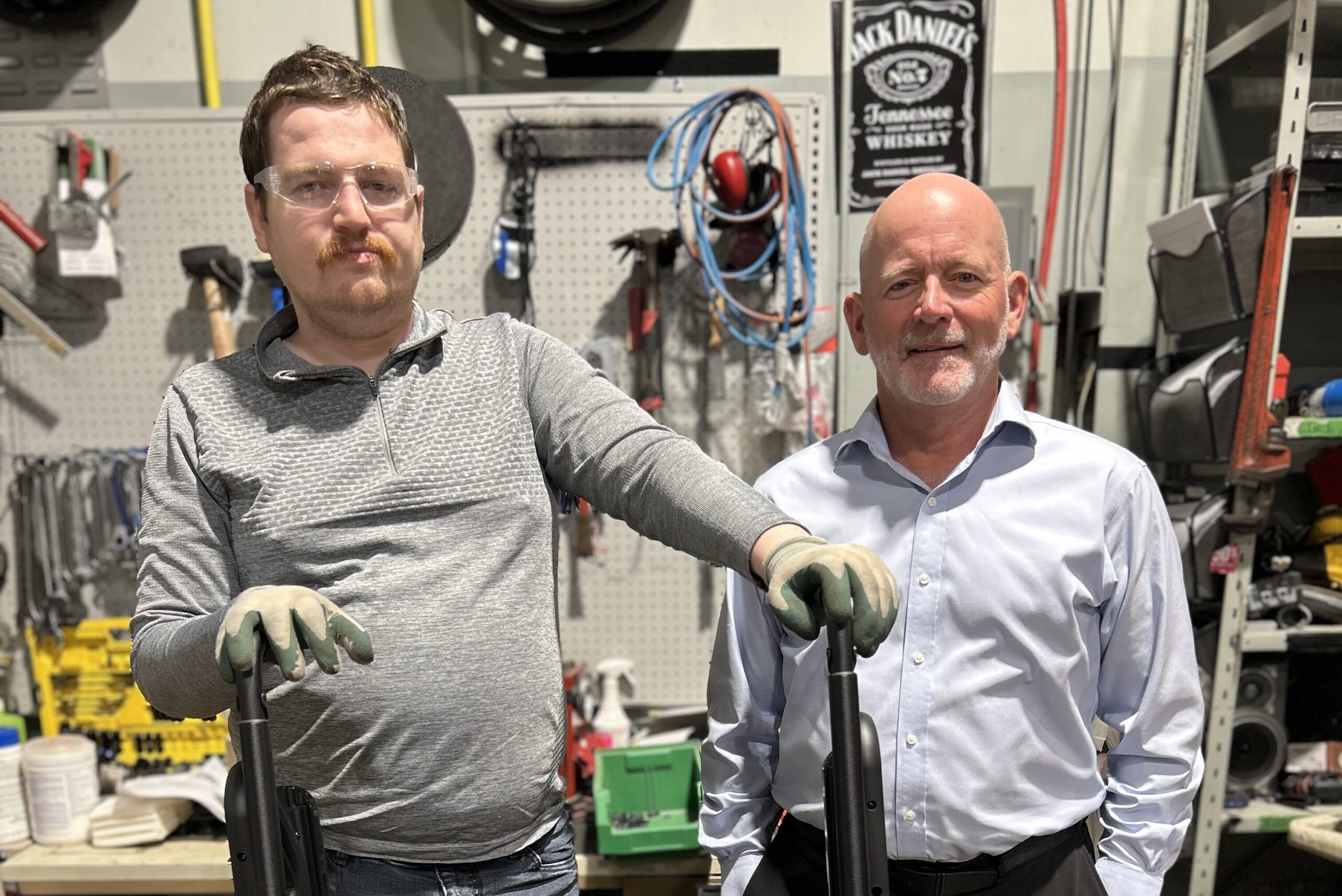


Read the full story for "Sensory Friendly Pumpkin Carving Ideas for Toddlers"


Read the full story for "Economic Inclusion: Disability Awareness Month Events"

Read the full story for "Honouring Mi’kmaq History Month: The Power of Storytelling"

Read the full story for "Standing with Autistic People, Today & Every Day"

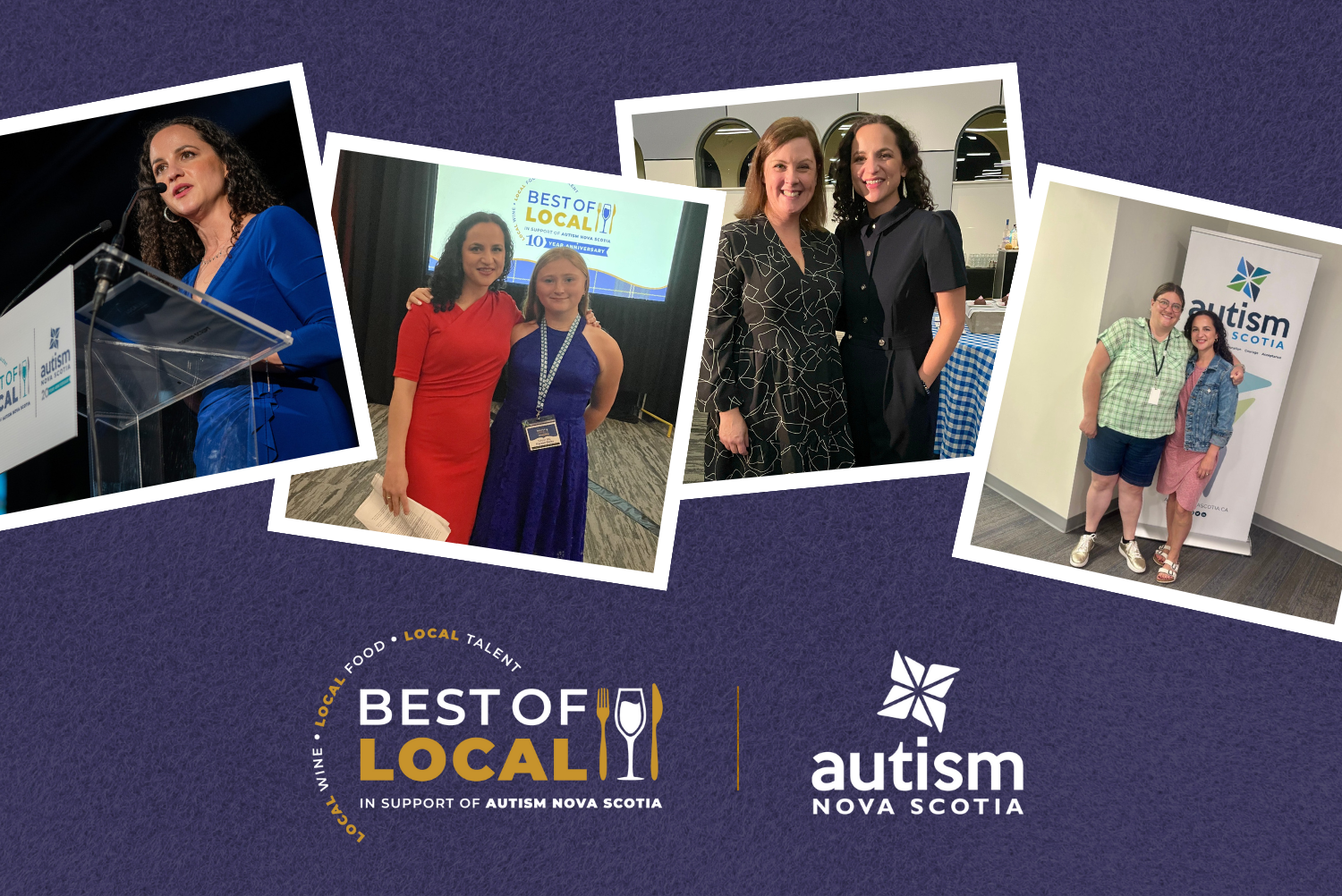
Read the full story for "Amanda Debison: Host of Best of Local 2025"
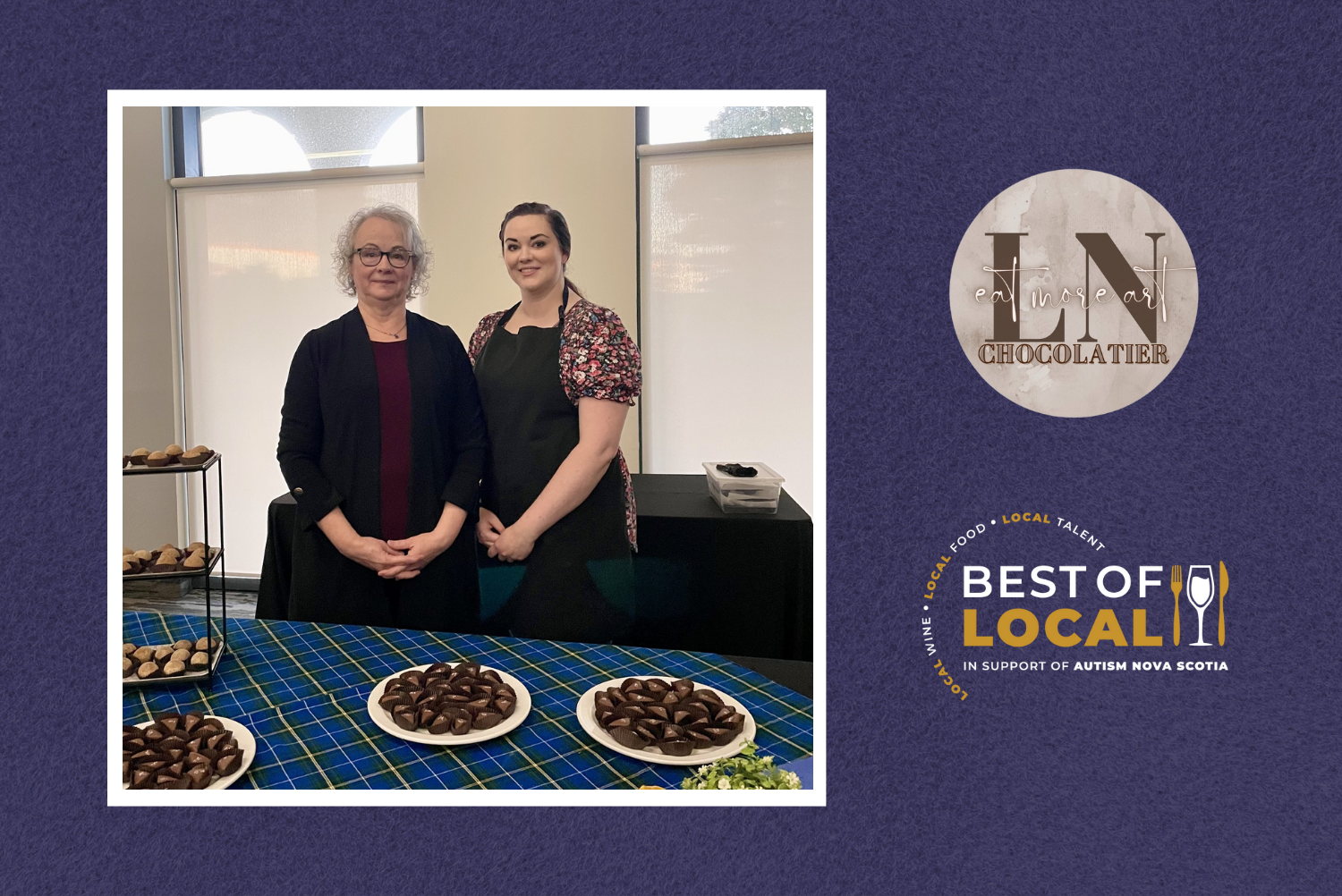
Read the full story for "The Sweet Story Behind LN – Eat More Art"


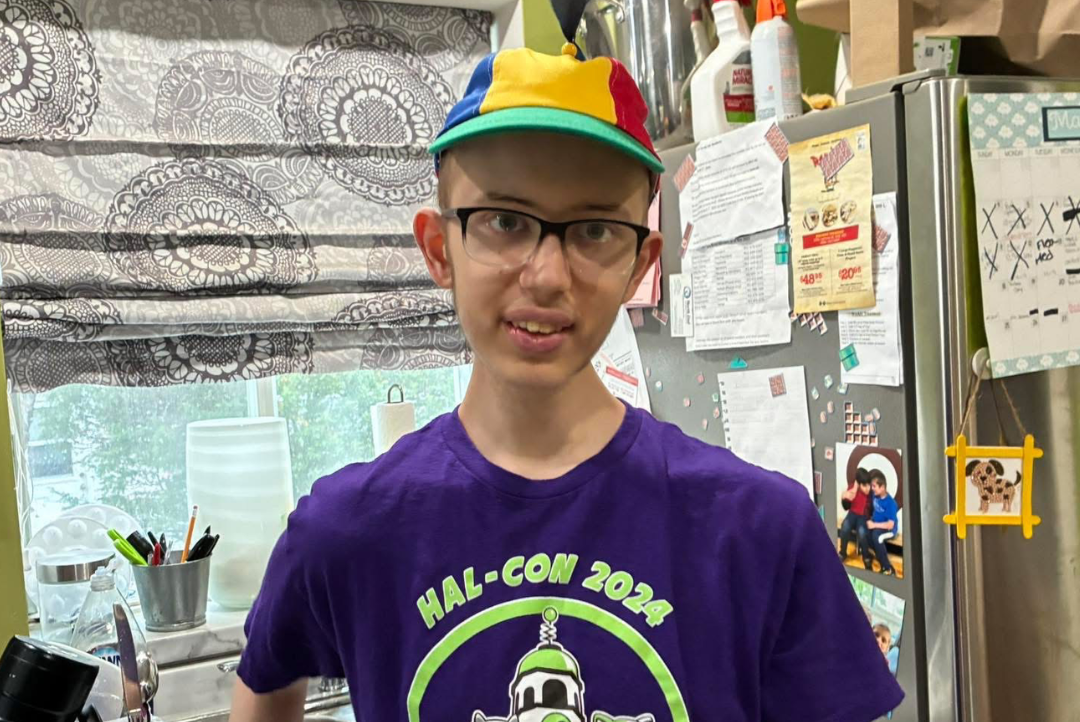



Read the full story for "Allison Kearley, Recipient of the 2025 Joan Craig Trailblazer Award"

Read the full story for "Exploring Textures with Messy Play"

Read the full story for "Response to Nova Scotia Provincial School Code of Conduct "
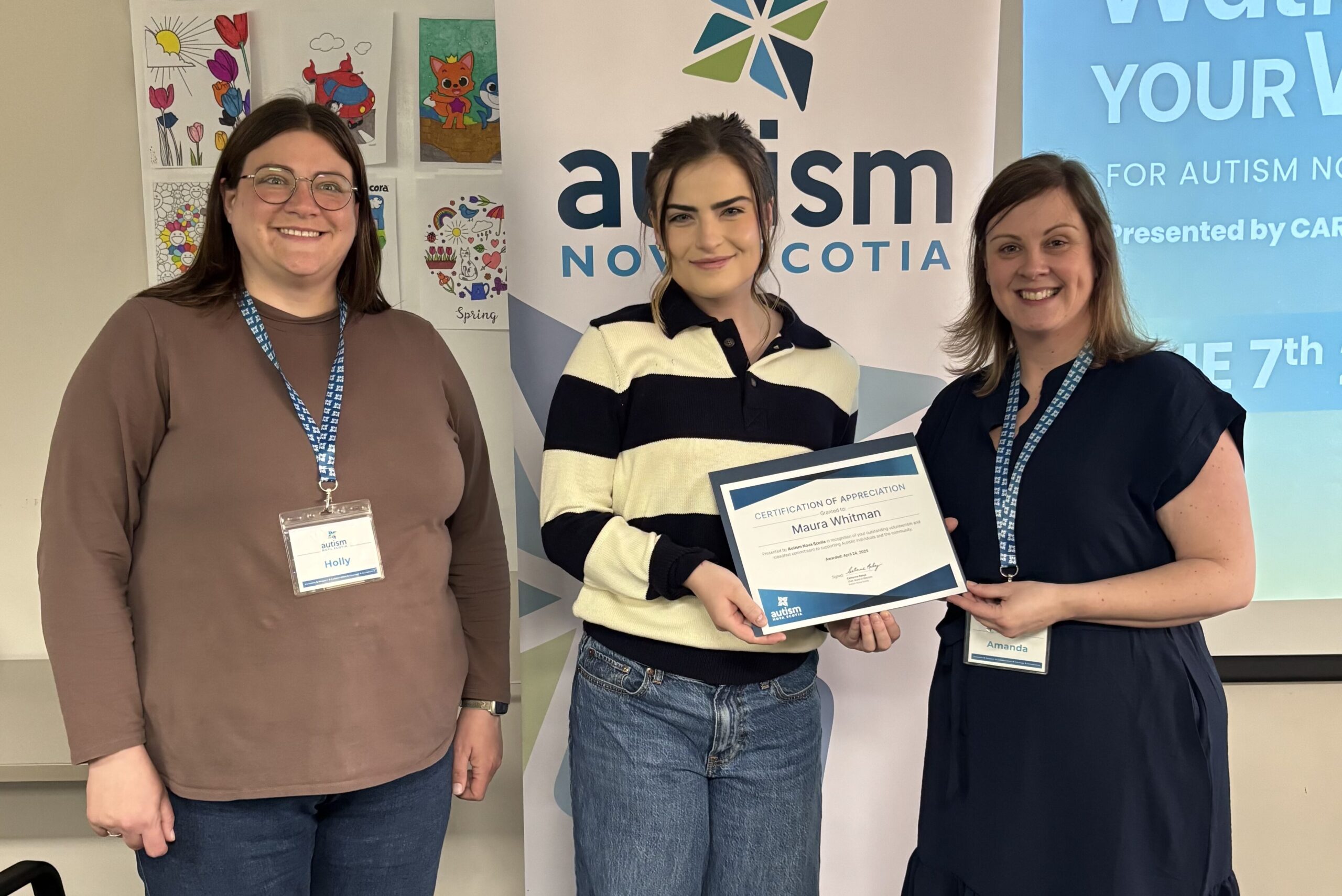
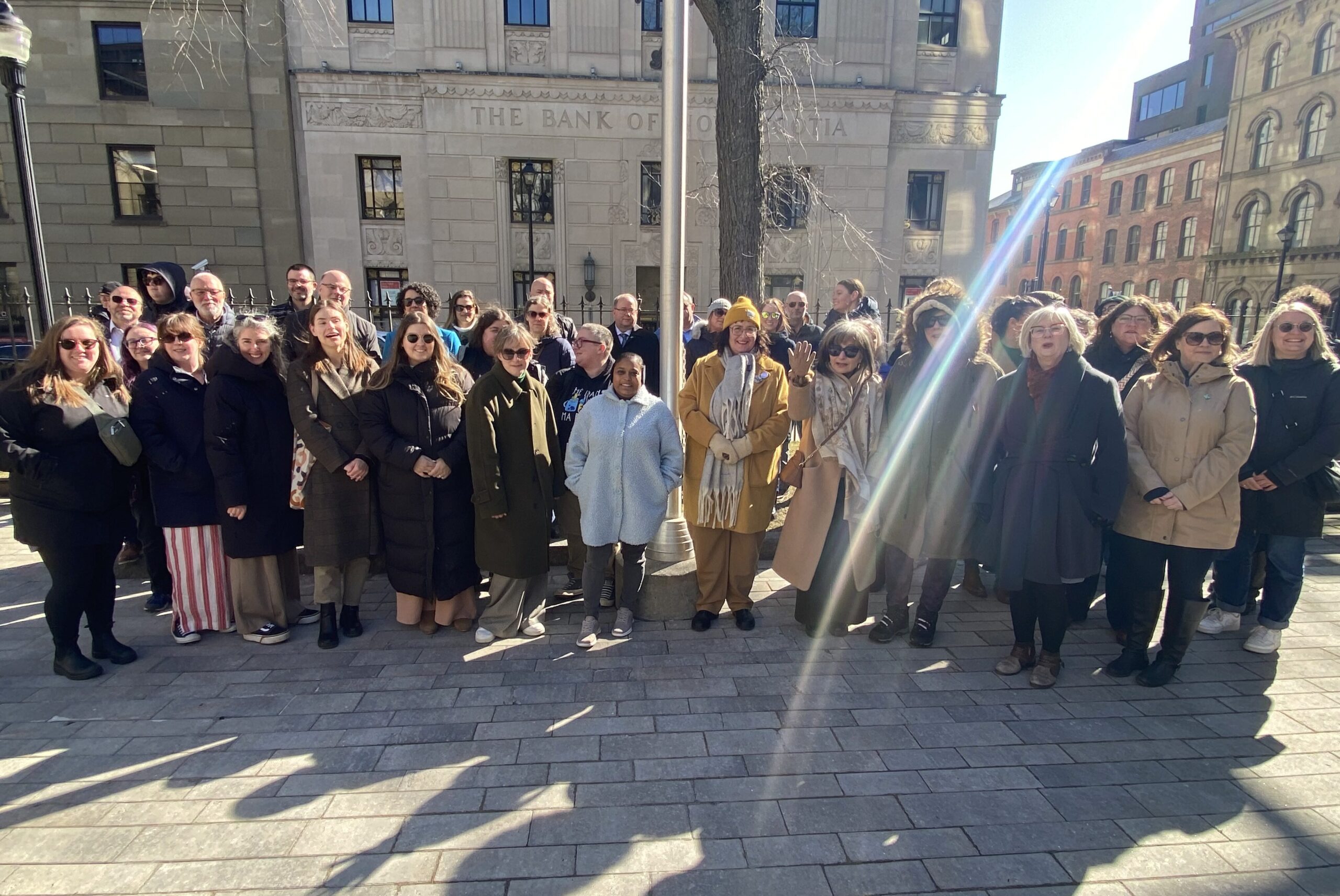
Read the full story for "‘It’s a movement’: Flag Raising Ceremonies Across Nova Scotia "

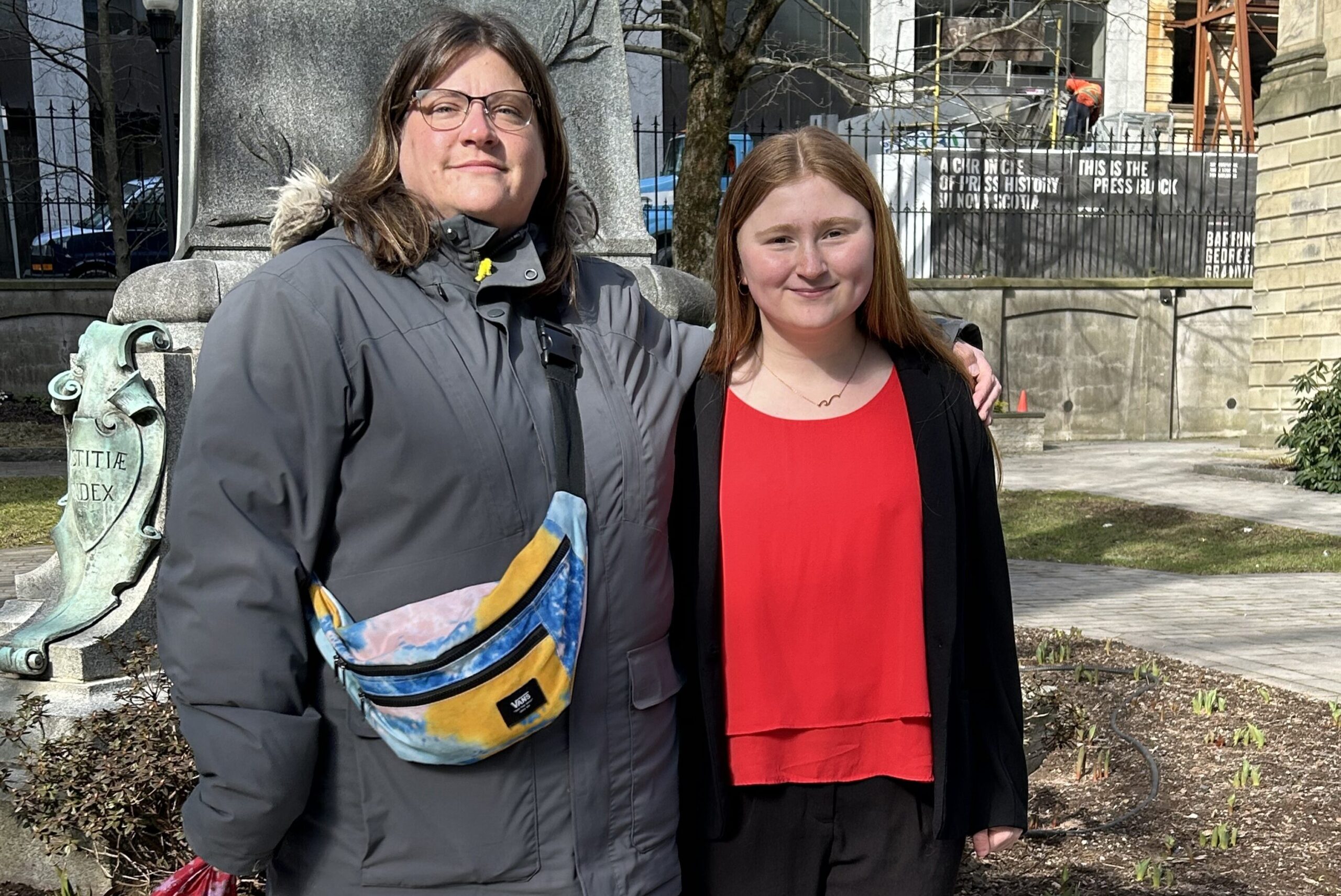
Read the full story for "Celebrating Autism Acceptance Month "
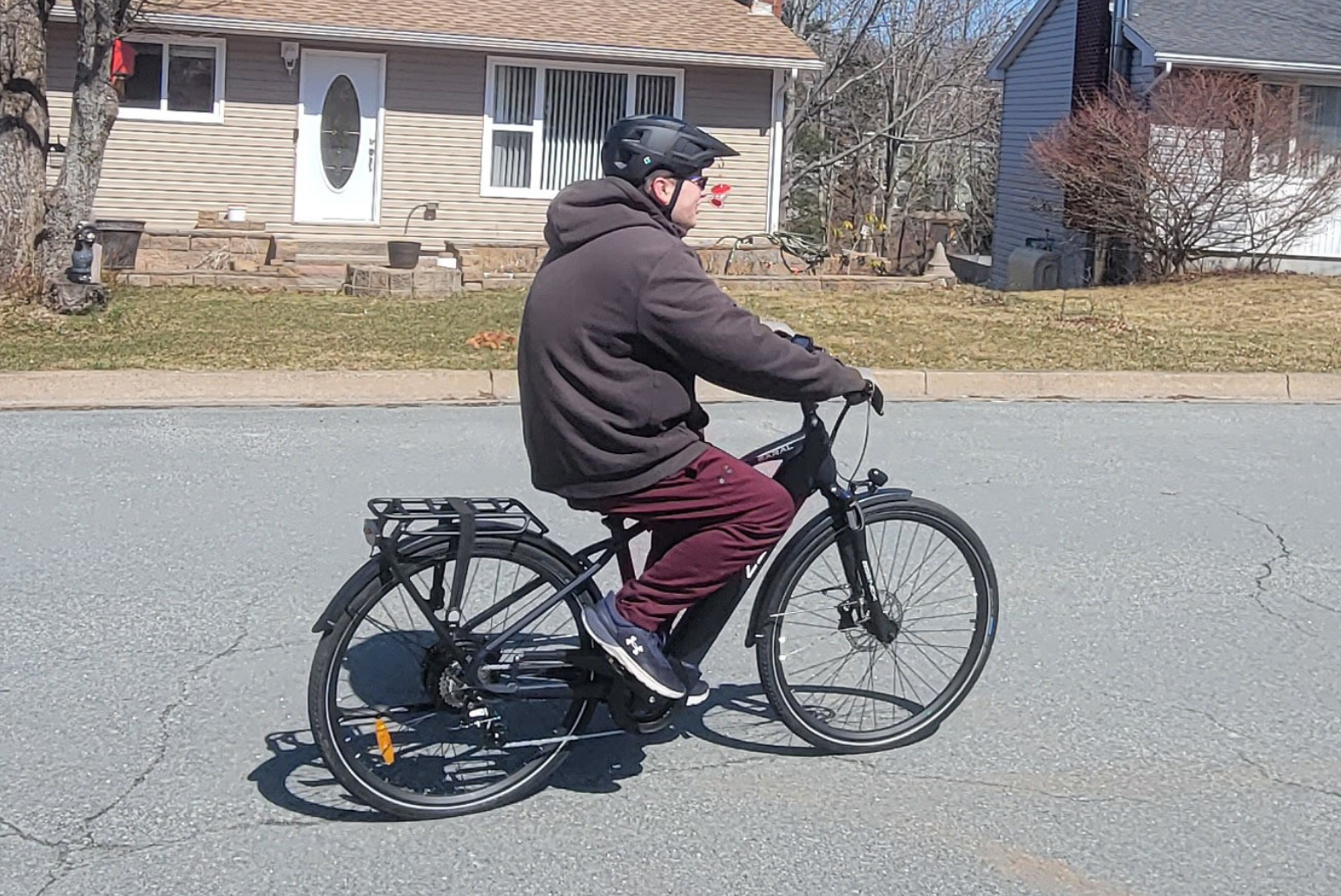

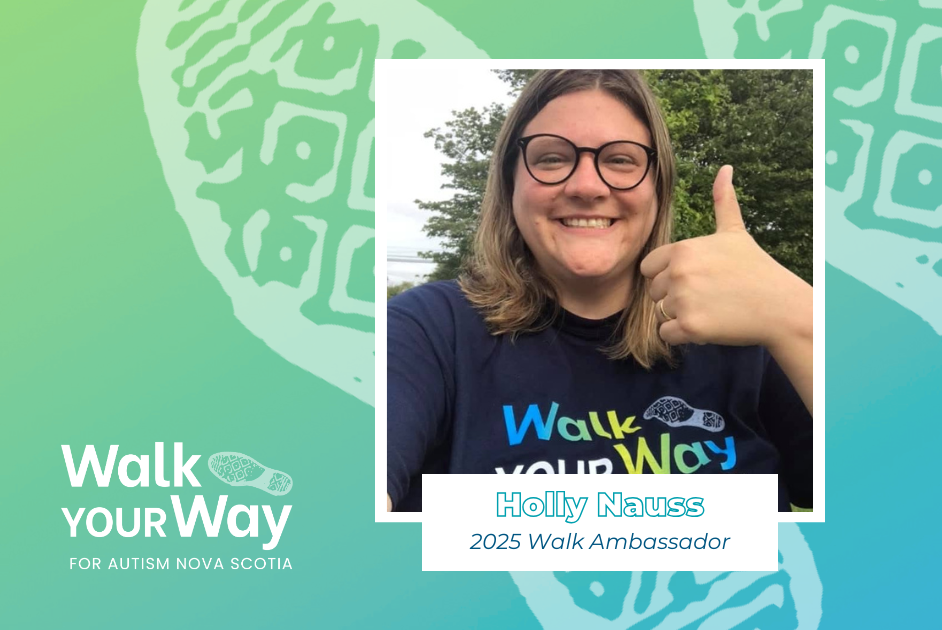
Read the full story for "2025 Walk Ambassador, Holly Nauss "

Read the full story for "Pictou’s Late Discovered Peer Support Group Success "




Read the full story for "Consent Focus Group Leads to Rich Discussion "
Read the full story for "Cynthia Carroll Inclusion Scholarship "

Read the full story for "Helpful Strategies for Mealtime Routines"


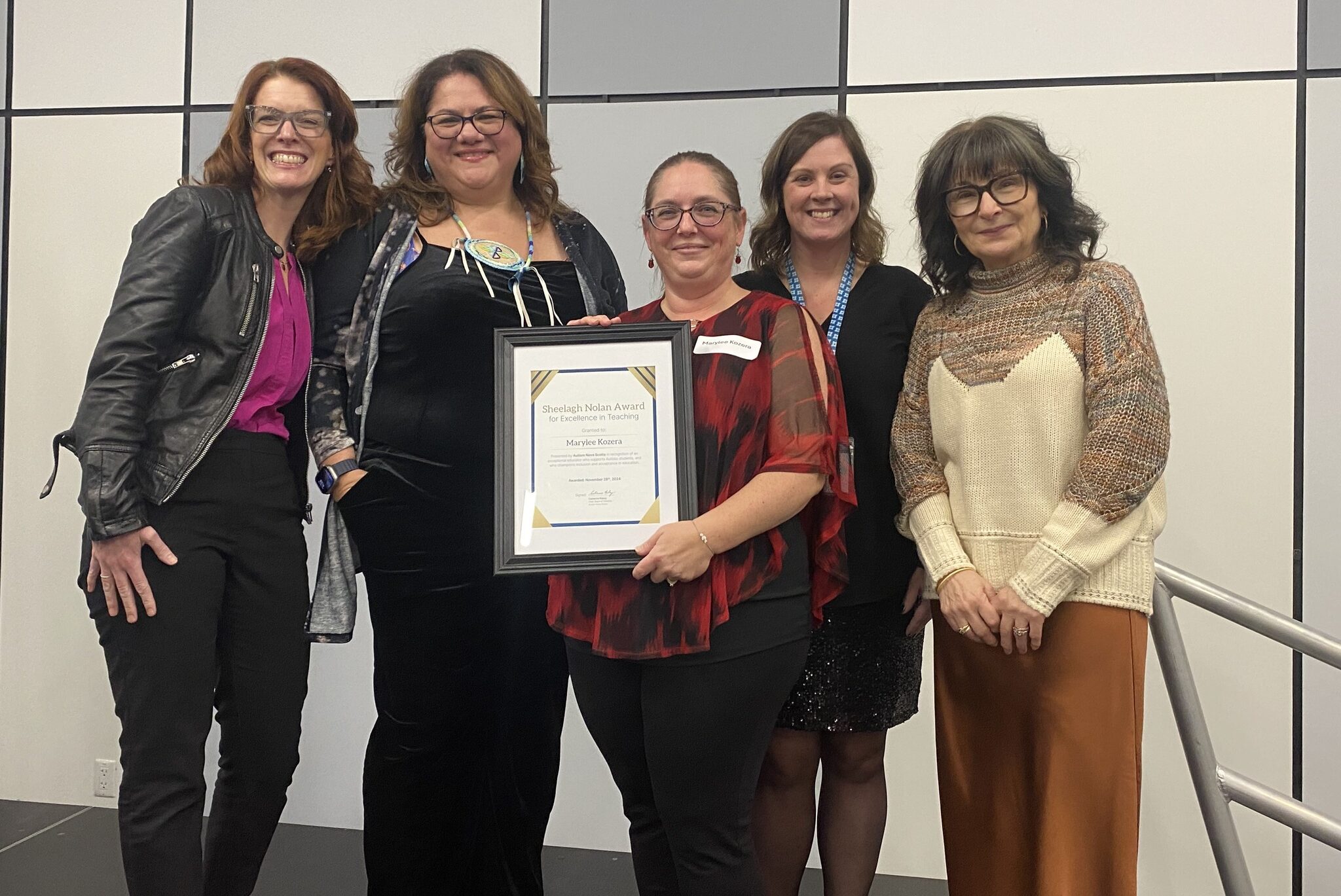
Read the full story for "2024 Holiday Open House Brings Community Together to Celebrate"




Read the full story for "Autism Action Plan Community Consultations"


Read the full story for "National Autism Framework Announcement"

Read the full story for "Making Words Fun: Learning through play"

Read the full story for "Supporting the post-secondary experience "

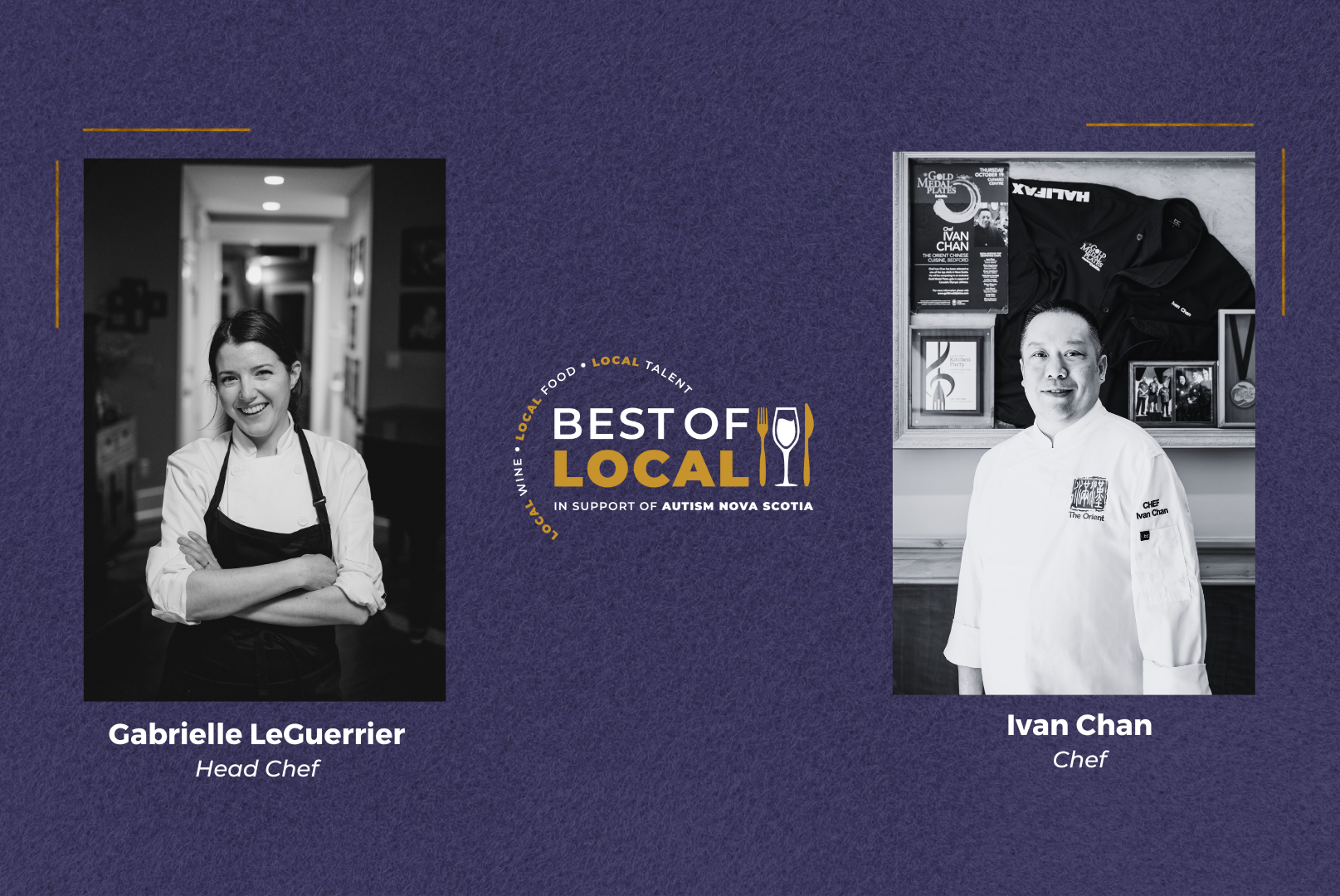
Read the full story for "Introducing the Best of Local Culinary Talents"


Read the full story for "Provincial Autism Action Plan Community Advisory Committee"


Read the full story for "Charli’s Insights on the Healthy Relationships, Sexuality, and Autism"
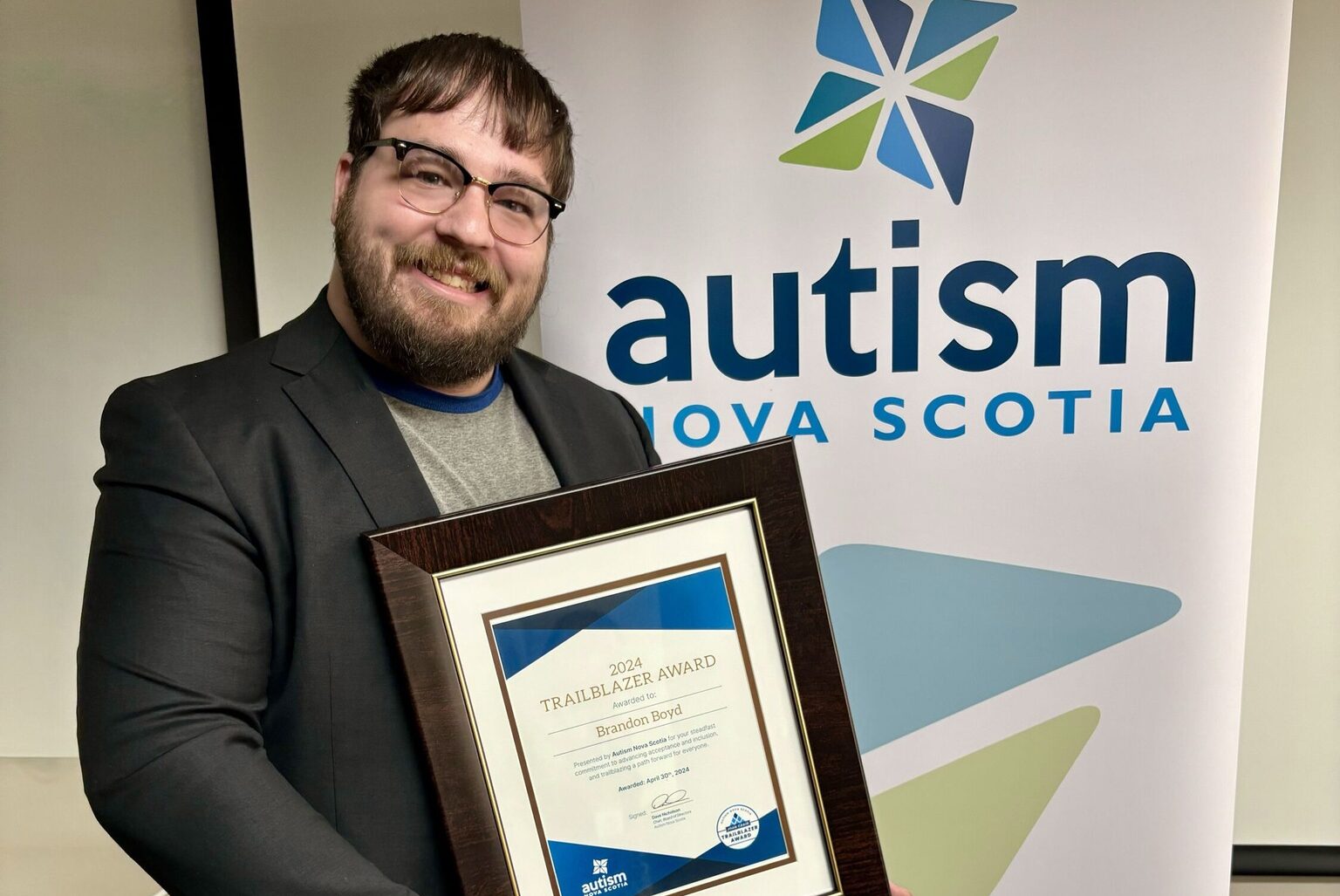
Read the full story for "Brandon Boyd Recipient of 2024 Joan Craig Trailblazer Award"

Read the full story for "Quick Tips for Creating Safe Child and Pet Interactions"
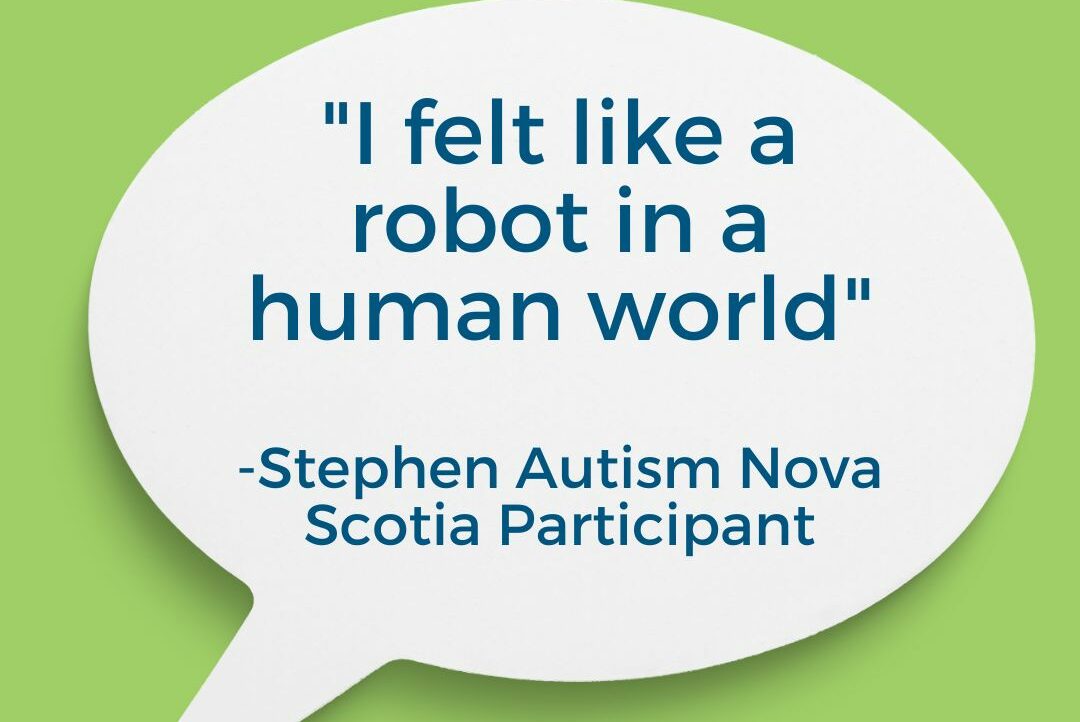
Read the full story for "Stephen’s Story about Embracing Autism"

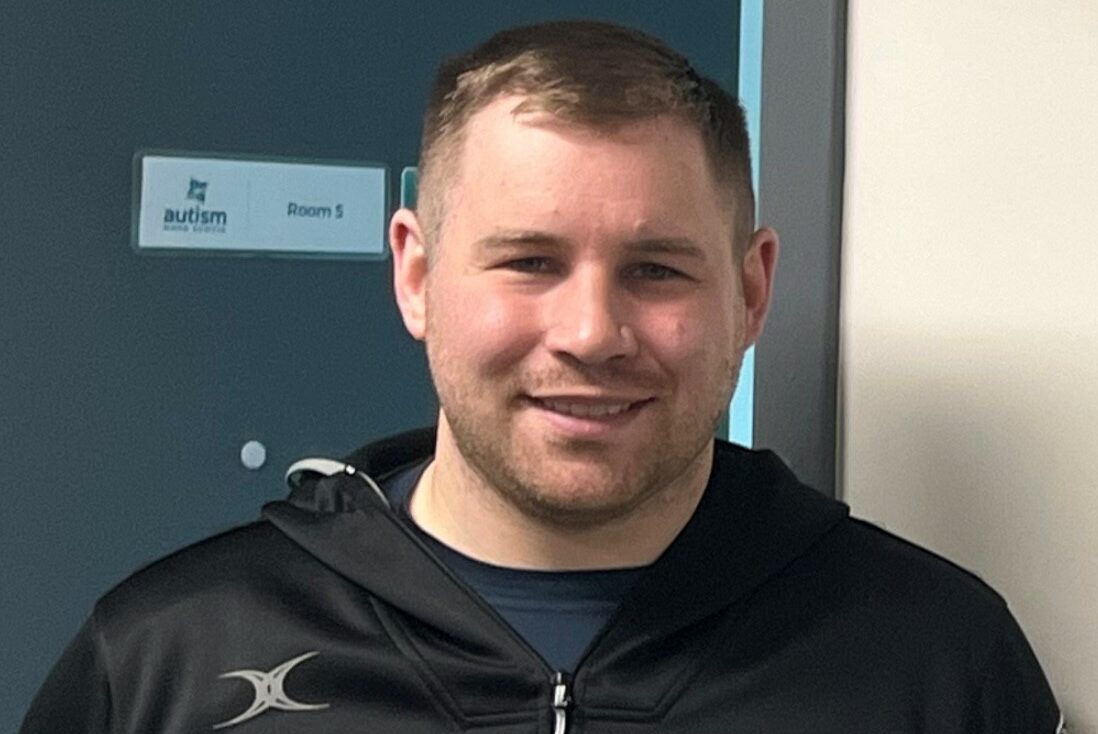

Read the full story for "Celebrating International Women’s Day: Women’s Autism/Autistic Project"

Read the full story for "Understanding Coaching in the QuickStart Nova Scotia Program"

Read the full story for "Talking about Healthy Relationships"
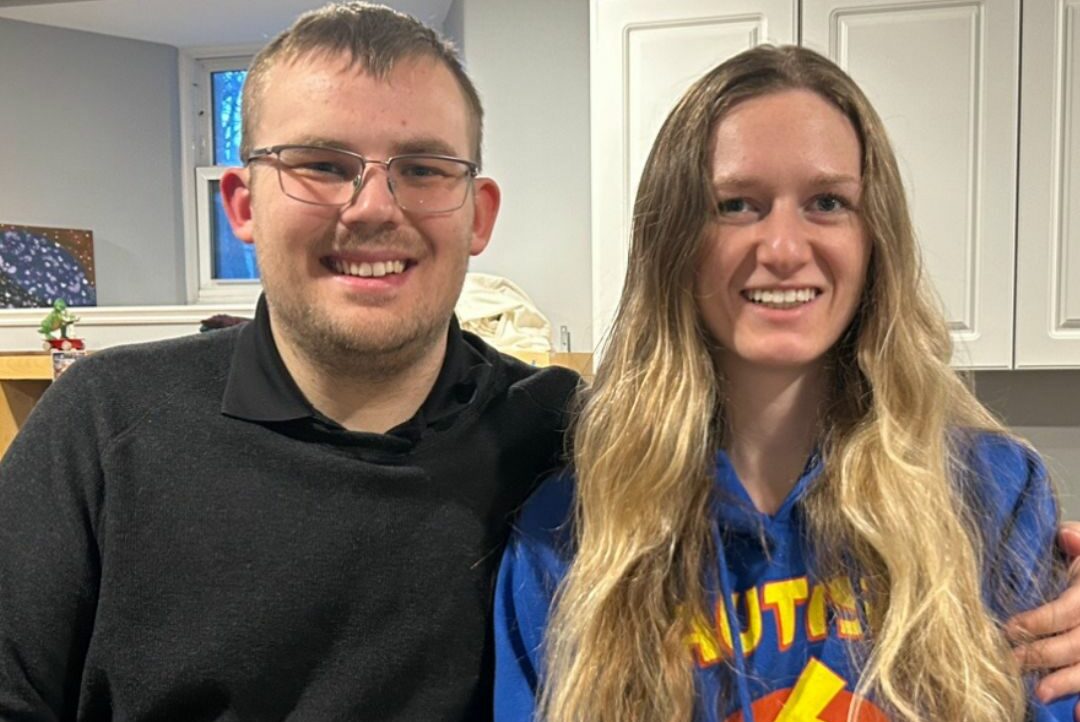
Read the full story for "Shared Interests to Shared Hearts: A Journey of Friendship and Love"

Read the full story for "Sensory Bin Ideas for Play Routines"

Read the full story for "Tips for Mealtimes with Your Child"

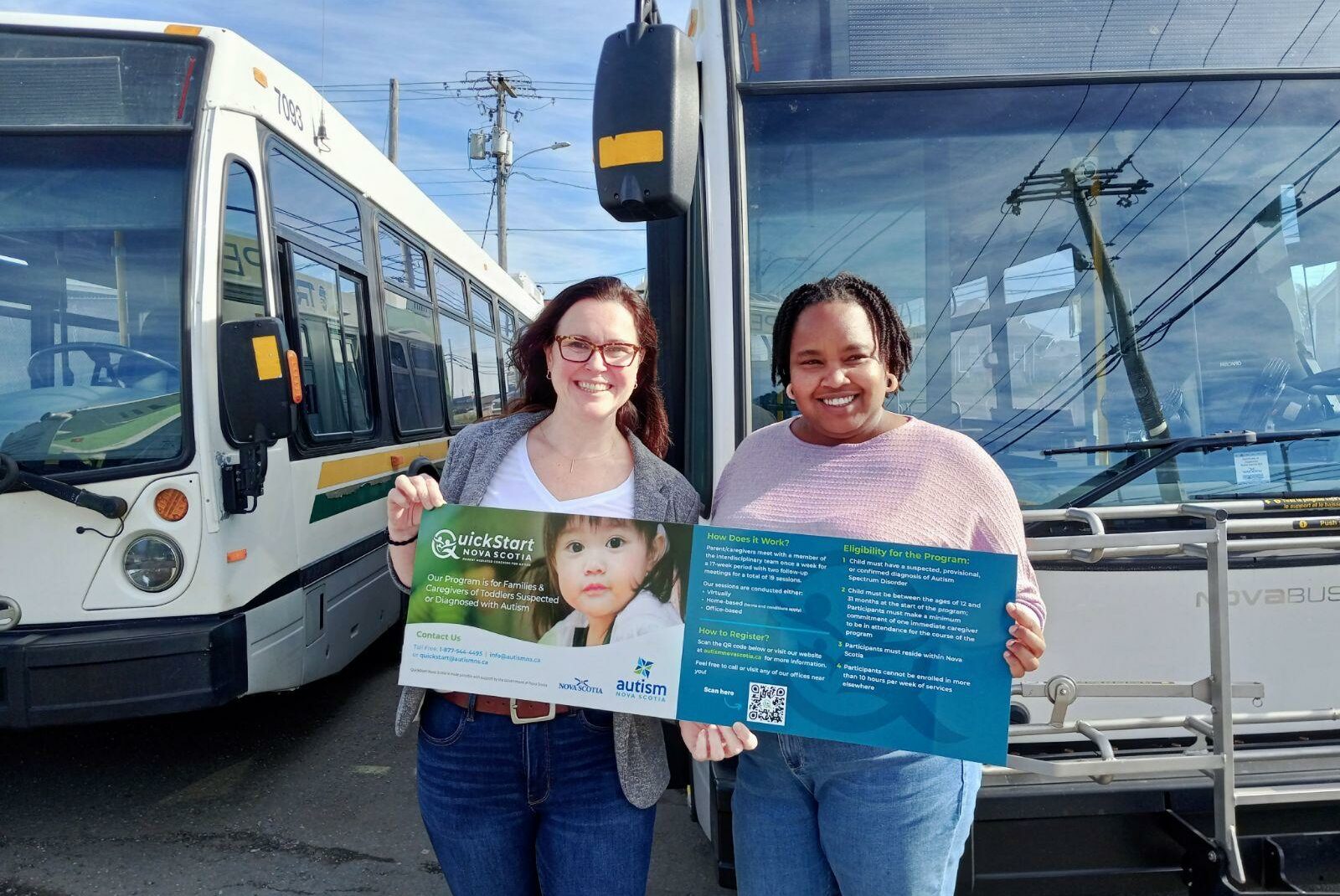

Read the full story for "Celebrating Brandon Boyd: A Trailblazing Filmmaker with Autism"

Read the full story for "5 tips for Post-Secondary Students"



Read the full story for "Ideas for Outdoor Play in the Spring"

Read the full story for "4 Tips for Post-Secondary Students"

Read the full story for "Autism Acceptance Month Flag Raising"


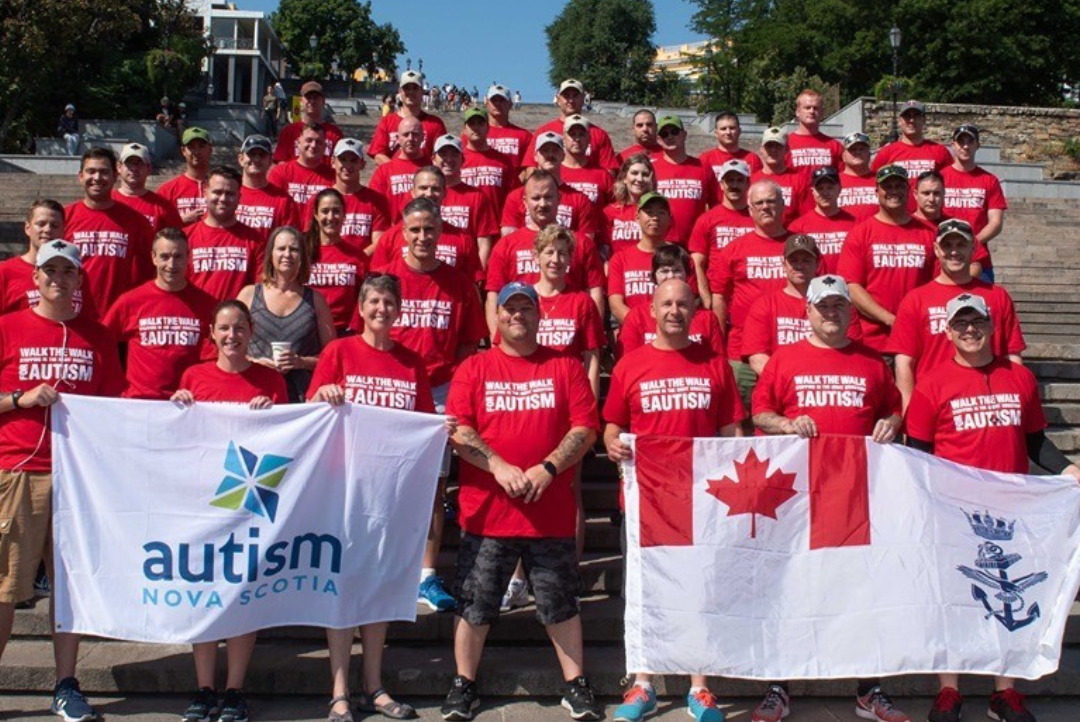
Read the full story for "Father Raises Funds for Walk YOUR Way "


Read the full story for "Ideas for Outdoor Play in the Winter"

Read the full story for "4 Routine Tips after the Holiday Season"

Read the full story for "2022 Sheelagh Nolan Award Recipient"

Read the full story for "Creating an Inclusive Space for Trick or Treaters"

Read the full story for "6 Quick Tips for Trick or Treating"

Read the full story for "Five Tips for Post-Secondary Students "
Read the full story for "Pinwheel Wellness Centre – Mental Health Support"